

0%

Europe’s pet food market is substantial, but size alone does not make an exporter dependable. FEDIAF’s 2024 European Pet Food Industry report estimates that Europe had 299 million pets and 139 million pet-owning households in 2023. It also reports annual pet food sales of approximately €29.3 billion. That scale matters. Behind every shipment are practical details: product specifications, batch records, packaging, delivery schedules, and clear answers when something changes.

Choosing a European Pet Food Exporter therefore calls for more than comparing prices or browsing attractive product pages. The seven tips ahead focus on checks buyers can make: reviewing quality controls, asking how ingredients and batches are traced, confirming production capacity, and discussing destination-market requirements with qualified professionals. FEDIAF’s figures describe the wider industry, not the reliability of any individual supplier. Still, they show why careful selection matters. A large market can offer options, but it can also make supplier claims harder to assess. A polished brochure is not proof. Request specific documents, compare answers, and notice whether details remain consistent across conversations. Even careful checks cannot remove every risk; that is worth admitting. The goal is not to find a flawless partner, but one that communicates clearly, supports its claims, and handles day-to-day issues responsibly.
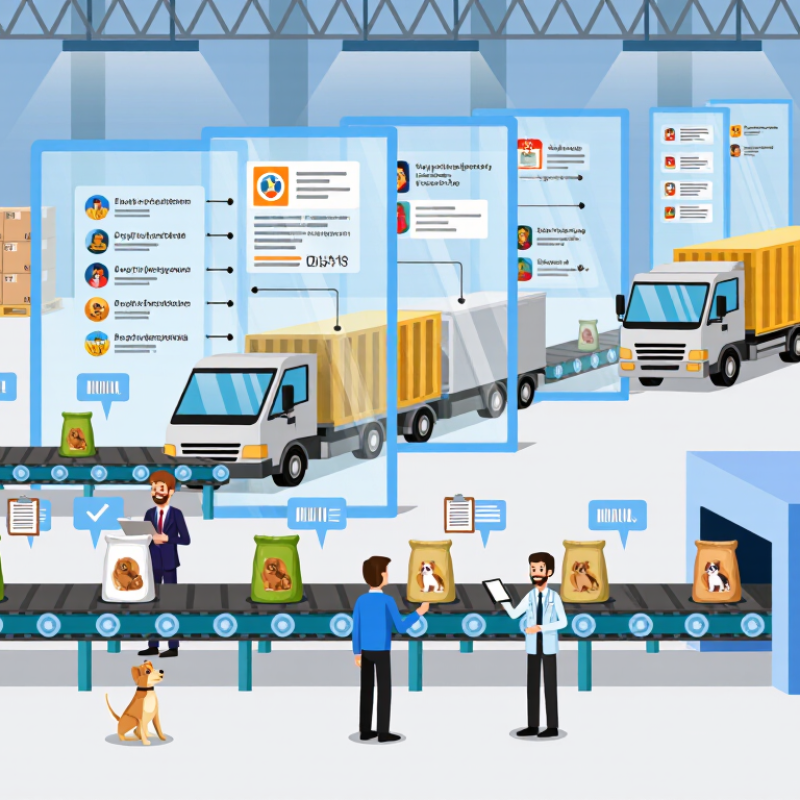
7 Tips for Choosing a European Pet Food Exporter

Define Your Product Needs and Target European Markets

Before contacting exporters, write a precise product brief. Specify the animal species, life stage, recipe type, and product format. For example, a puppy food in a 2-kilogram bag has different packaging and handling needs from wet food sold in single-serve trays. Note ingredient preferences, nutritional targets, expected shelf life, and your first order volume. Be specific. Vague requests make quotes difficult to compare and can hide important differences.

Then choose the European markets you can realistically serve. Europe is not one uniform customer base: language, retail habits, preferred pack sizes, and distribution routes can vary. Decide whether you are targeting specialist pet shops, online retailers, or larger distributors. Check likely demand before committing to a large production run. Ask prospective exporters about their experience with your product category, documentation support, minimum order quantities, and shipping options to your selected destinations. Confirm market-specific feed and import requirements with qualified advisers or relevant authorities; do not assume one answer fits every country. It’s easy to overlook the label. Review a draft with a local specialist, then revise it if needed. Your target markets may change once real costs and buyer feedback appear. That is useful information, not a failure.

Verify the Exporter’s Credentials and Regulatory Compliance

A European pet food exporter should provide more than a polished certificate. Ask for its registered legal name, production-site address, and relevant approvals, then confirm them with the competent national authority. Check that the documents match the facility actually making or handling your products. Small mismatches matter.

Rules depend on the product and destination. For animal-origin materials, verify applicable approval and traceability requirements under EU Regulations 1069/2009 and 142/2011. Feed hygiene and labeling are also addressed by Regulations 183/2005 and 767/2009. Ask for current audit records, batch traceability examples, and a written explanation of how the exporter handles recalls. A test batch is useful. It is not a substitute for verification.

Scale makes careful checks worthwhile. FEDIAF’s 2024 European industry report estimated 299 million pets and 139 million pet-owning households across its covered markets, underscoring the sector’s reach. Request the report’s underlying scope, too; market figures do not prove a supplier’s reliability. I would check certificates directly, not just file the PDFs. One awkward detail: competent-authority databases can be hard to navigate, so ask the exporter to identify the exact register entry and approval number.

Assess Ingredient Sourcing and Manufacturing Quality

Ingredient quality starts before production. Ask where meat, grains, oils, and vitamin premixes originate, and whether suppliers are reviewed when sources change. A traceable lot should connect each ingredient receipt to finished-product records. Ask for a recent certificate of analysis, not a generic sample. Check whether tests cover relevant risks, such as pathogens, mycotoxins, oxidation, and nutrient levels.

Manufacturing controls matter just as much. Request the plant’s audit scope, corrective-action records, and written procedures for receiving, storage, cleaning, and batch release. Look for documented hazard controls and independent testing. A certificate alone is not proof; check its issuing body, site, and expiry date. Ask how the exporter handles a failed result. The answer should be specific. No process is perfect.

FEDIAF’s 2024 European Pet Food Industry Facts and Figures reports approximately 9.9 million tonnes of pet food production and €29.1 billion in annual sales for Europe. That scale makes consistent supplier and batch controls essential, but market size does not guarantee quality. Compare records across several production lots, and ask to see the actual facility where your products are made. One weak point: paperwork can look complete while an ingredient change slips through. Verify that change-control records match the product specification.

Compare Certifications, Logistics, and Supply Chain Reliability

A European pet food exporter should be assessed by evidence, not polished sales language. Ask for current certificates and check their scope, issuing body, and covered production site. A certificate may apply to one facility or process, not every product. Match the documents to the food type, ingredients, and handling steps you plan to buy. Keep copies, and confirm unclear details directly with the issuer.

Then examine the route from factory to warehouse. Which port will handle the shipment? How long might customs clearance and inland transport take? Ask how the exporter protects products from moisture, heat, and damaged packaging. Request sample shipping records, realistic lead times, and clear procedures for delays. Small details matter: a wet carton or missing pallet label can slow receiving.

Reliability shows in patterns. Compare on-time delivery records, production capacity, batch traceability, and how quickly staff answer difficult questions. Ask for references from buyers with similar order sizes and destinations. A supplier may perform well during a quiet month, then struggle when demand rises. No checklist removes every uncertainty. Still, written service levels and a named contact make problems easier to resolve. Watch for vague answers; I would treat them as a reason to ask better questions, not as proof of failure.

7 Tips for Choosing a European Pet Food Exporter

Compare regulatory compliance, certifications, logistics, and supply chain reliability.

Suggested buyer-priority weights total 100%; they are a practical evaluation framework, not market-survey statistics. Verify applicable EU and national requirements, request current certification documents, and assess delivery performance and contingency plans before choosing a supplier.

Evaluate Pricing, Communication, and Partnership Fit

A competitive price matters, but the quoted figure rarely tells the whole story. FEDIAF’s 2024 European industry report estimates pet-food sales at €29.3 billion, using 2023 data. In a market of that scale, compare quotes carefully: check whether they include packaging, pallet preparation, samples, and delivery to your warehouse. Ask for the same product specification and order volume in each quotation. Otherwise, you may be comparing different things.

Look beyond the first shipment. Request a clear schedule for production updates, document changes, and responses to quality questions. A useful test is to send a detailed inquiry and note whether the exporter answers each point, gives realistic lead times, and flags uncertainty. Small details count. For example, can they explain how they handle a delayed ingredient or a revised delivery date? A polished sales call is reassuring, but consistent follow-through matters more. I have seen buyers give too much weight to quick replies; speed alone does not prove reliability.

Partnership fit also depends on how both sides handle problems. Discuss forecast changes, minimum order quantities, and who will coordinate routine checks before placing an order. Ask for references from comparable customers, then ask those customers about communication after delivery—not only before it. Keep a written record of agreed specifications and responsibilities. Some friction is normal. What matters is whether the exporter raises issues early and works through them plainly.

FAQS

What details should go into a product brief?

Specify the animal species, life stage, recipe, and product format. Include ingredient preferences, nutrition targets, shelf life, and first-order volume. A 2-kilogram puppy-food bag needs different handling from single-serve wet-food trays.

How should I choose European target markets?

Compare language, retail habits, preferred pack sizes, and distribution routes. Decide whether you want specialist shops, online retailers, or larger distributors. Europe is not one uniform market.

What should I ask prospective exporters?

Ask about experience with your product category, documentation support, minimum order quantities, and shipping options. Name your intended destinations. General answers can hide practical differences.

Why review labels before production?

Requirements may differ by destination. Have a local specialist review a draft, then revise it if needed. Small label details are easy to overlook.

How can I assess ingredient sourcing?

Ask where meat, grains, oils, and vitamin premixes come from. Check how suppliers are reviewed when sources change. Request recent test results, not a generic sample.

What does ingredient traceability look like?

Records should link each ingredient receipt to finished-product batches. Compare change-control records with the product specification. Paperwork can look tidy while a change slips through.

Which quality records should I request?

Ask for the audit scope, corrective-action records, and written procedures for receiving, storage, cleaning, and batch release. Review test results for relevant risks and nutrient levels. No process is perfect.

Is a certificate enough to confirm quality?

Not always. Check the issuing body, production site, and expiry date. Ask what happens after a failed result. The answer should be specific.

Should I inspect the manufacturing facility?

Yes, if possible. Compare records across several production lots and see where your products are made. I might still miss something; buyer feedback and real costs can change the plan.

Conclusion

Choosing a European Pet Food Exporter starts with defining the products you need, including their format, ingredients, packaging, and intended customers. Identify the European markets you plan to serve, then confirm that a prospective exporter understands the relevant requirements for those destinations. Check its business credentials, documentation, and approach to regulatory compliance before moving forward.

Next, examine ingredient sourcing and manufacturing practices to understand how quality is maintained throughout production. Compare available certifications, shipping options, delivery timelines, and contingency plans to assess supply-chain reliability. Finally, review pricing alongside communication style and responsiveness. A suitable partner should provide clear information, realistic terms, and dependable support. Considering these factors together can help you choose an exporter whose capabilities match your product needs and whose working approach supports a practical, long-term partnership.

Oliver

Oliver

Oliver is a professional marketing specialist who helps readers understand the company’s products, services, and practical value. With a strong knowledge of the company’s offerings, he turns detailed product information into clear, useful insights for customers and business audiences. He regularly......