European Wet Pet Food Manufacturing Excellence

Industrial Canned Dog Food Production: Engineering, OEM & Retort Science

Partnering with global retailers, brand owners, and distributors across 35 countries to engineer high-protein, nutrient-dense wet dog food under strict FEDIAF and BRCGS quality parameters.

Scale & Multi-Site Security

12 European Facilities.
Unrivaled Capacity.

Securing global supply chains with automated thermal processing, high-speed tin filling, and custom lid sealing technology.

PETS Sustainability Framework

Recyclable Tinplate.
Zero Waste Retort.

Driving environmental performance with circular steel packaging and carbon-optimized logistics.

0+

Years of Wet Food Engineering Expertise

0

High-Tech European Production Plants

0+

Retail Chains & Private Label Clients

0

Global Export Destinations Served

Canned dog food production quality control

Precision Engineering in Commercial Canned Dog Food Manufacturing

Industrial canned dog food production demands a rigorous synthesis of thermal food engineering, precise emulsification dynamics, and nutritional bioavailability. At Partner in Pet Food (PPF), our 25+ years of operational history have established us as a benchmark contract manufacturer for leading European retail conglomerates, FMCG brand owners, and international distributors.

Headquartered in Budapest, Hungary, PPF manages a multi-site network of 12 state-of-the-art factories strategically dispersed across Europe. This operational footprint offers unprecedented supply security, rapid batch scalings, and minimized carbon emissions across regional distribution channels. Whether manufacturing classic meat pâtés, chunk-in-gravy matrices, or specialized veterinary mono-protein diets, we ensure strict compliance with FEDIAF guidelines and international microbiological standards.

  • High-speed automated tinplate & aluminum seaming
  • Computer-controlled batch and continuous retort autoclaves
  • Micro-encapsulated vitamin & mineral stabilization
  • Full traceability from farm-sourced protein to final seam inspection

Technical Expertise & Information Gain

The Science of Canned Dog Food Production: From Slurry to Sterilization

Modern canned dog food production is far more complex than simple batch cooking. It requires an exact thermal-process architecture to achieve commercial sterility (killing pathogens such as Clostridium botulinum) while avoiding thermal degradation of heat-sensitive micronutrients, essential fatty acids, and natural proteins.

At PPF, our automated wet pet food manufacturing lines operate through a five-stage engineered continuum:

1. Raw Protein Processing & Emulsification

Fresh and frozen animal tissues are micro-milled and conditioned under vacuum deaeration to eliminate micro-bubbles, ensuring uniform density and preventing pockets of lipid oxidation during thermal processing.

2. Hydrocolloid Matrix Formation

Natural binding systems (such as cassia gum, guar gum, and carrageenan) or functional starches are integrated under exact shear conditions to formulate either gelatinous matrices or smooth gravy suspension media.

3. Precision Vacuum Filling & Seaming

Tinplate or aluminum containers are filled at controlled temperatures (65°C to 75°C) to facilitate mechanical vacuum creation, followed by high-speed double-seam closure with continuous optical seam-thickness validation.

4. Retort Overpressure Sterilization

Cans enter computerized steam-air or water-spray retorts where precise heat penetration curves achieve an F0 lethality value of ≥ 3.0, guaranteeing commercial sterility while locking in natural meat flavors.

5. Rapid Cooling & Integrity Testing

Containers undergo controlled pressure-cooling to prevent tin distortion and seal degradation, followed by acoustic resonance or vacuum leakage screening prior to automated tray-packing and shrink-wrapping.

Canned Dog Food Technical Specifications & Procurement Options

Our OEM canned dog food production capabilities cover the full spectrum of global retail and veterinary market demands:

Product Texture / Format Target Moisture Range Typical Protein Base Container Formats Key Functional Claims
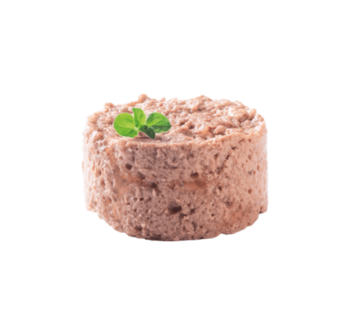
Classic Meat Pâté / Loaf 74% – 78% Beef, Chicken, Pork, Turkey, Lamb 200g, 400g, 800g Cans High digestibility, grain-free options, rich animal fats
Chunks in Gravy / Stew 78% – 82% Poultry, Salmon, Game, Veal 400g, 800g Easy-Open Cans Enhanced hydration, visual meat structure, high palatability
Chunks in Natural Jelly 76% – 80% Beef & Heart, Turkey & Liver 400g Ring-Pull Tinplate Clean label appearance, hydrocolloid firm-gel matrix
Mono-Protein Hypoallergenic 75% – 79% 100% Duck, 100% Lamb, 100% Horse 200g, 400g Aluminum / Tinplate Single-source protein, veterinary diet, exclusion diets
Senior & Puppy Functional Wet 76% – 81% Deboned Chicken + DHA / Glucosamine 200g, 400g Can Formats Joint support, brain development, controlled mineral balance
Product Portfolio & Private Label Customization

Turnkey Canned Solutions for Global Retailers & Brands

Whether leveraging our established proprietary brand recipes or developing bespoke own-label formulations, PPF provides comprehensive R&D, regulatory compliance, and packaging artwork adaptation.

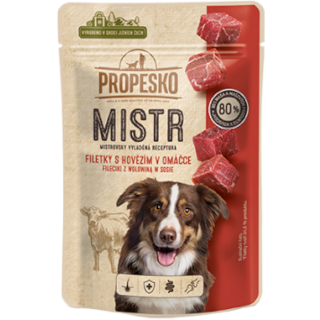
PPF branded dog food line High quality canned pet food product Established pet food packaging
Proven Brand Formulations

Turnkey Wet Nutrition Built on Decades of Market Success

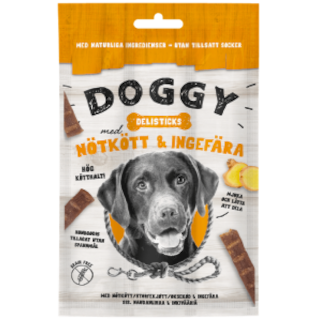
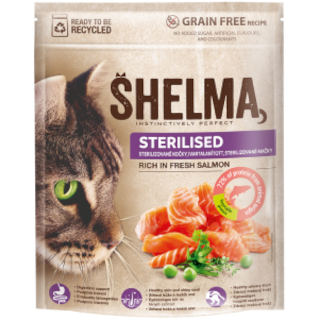
Tap into our market-tested recipes utilized across world-renowned PPF house brands—including Bozita, Prevital, Shelma, Propesko, Mjau, Reno, Doggy, and Italian Way. Fast-track your market entry with pre-validated palatability and stability profiles.

Complete Wet NutritionFEDIAF CertifiedHigh Palatability
Get a Quote
Custom canned dog food OEM packaging Private label canned wet dog food Bespoke canned pet food production
Private Label Development

Custom Canned Dog Food Formulated to Your Exact Brand Positioning

Differentiate your retail shelves with custom ingredient profiles: organic meats, superfood botanicals (spinach, blueberries, turmeric), grain-free carrageenan-free options, or eco-friendly localized sourcing stories.

Bespoke RecipesPrivate Label ArtworkMulti-Can Sizing

Trusted Proprietary & Partner Brands Powered by PPF Manufacturing Infrastructure

  • Bozita brand logo
  • Prevital brand logo
  • Shelma brand logo
  • Propesko brand logo
  • Mjau brand logo
  • Reno brand logo
  • Doggy brand logo
  • PPF pet nutrition logo
  • Italian Way brand logo
Strategic Market Intelligence

Future Trends in Canned Dog Food Sourcing & Procurement (2025–2030)

As AI-driven search models and global buyers re-evaluate pet category strategies, canned dog food production is undergoing a massive paradigm shift. Understanding these key macro trends empowers category managers to stay ahead of consumer demand and regulatory shifts:

1. Transition Toward Mono-Proteins & Novel Protein Sources

Modern pet parents increasingly view pets as family members, causing a surge in food sensitivity diagnoses. Procurement strategies are rapidly pivoting toward single-animal protein canned formulations (e.g., 100% wild boar, duck, or salmon) and novel insect-based proteins (Black Soldier Fly Larvae) to offer hypoallergenic choices with a smaller ecological footprint.

2. Hyper-Focus on Hydrocolloid Cleanliness & Synthetic-Free Binding

Global regulatory bodies and discerning consumers are demanding clean label declarations. Traditional synthetic thickeners are giving way to natural fruit fibers, kelp extracts, and tapioca starches. Canned dog food production technology must adapt to maintain matrix stability without sacrificing consumer-perceived texture or causing syneresis (liquid separation) during shelf life.

3. Sustainable Packaging: The Infinite Recyclability of Steel Cans

With stringent European Union packaging directives targeting plastic reduction, traditional tinplate and aluminum cans are experiencing a strategic renaissance. Metal containers offer near-infinite recyclability, zero oxygen permeability, superior shelf stability (up to 36 months without chemical preservatives), and robust protection during high-density ocean freight shipping.

4. Nearshoring & Multi-Site Redundancy in Global Supply Chains

Geopolitical volatility and ocean freight inflation have exposed vulnerabilities in single-region sourcing models. Global brand owners are actively prioritizing European contract manufacturers with multi-factory footprints (like PPF's 12 facilities across Central and Northern Europe) to guarantee supply continuity and localized buffer stocks.

Enterprise Procurement Benefits

Why Strategic Procurement Officers Choose PPF for Wet Pet Food

Partnering with PPF for canned dog food production unlocks scalable manufacturing advantages engineered specifically for large-scale grocery retailers, international importers, and pet brand portfolios.

In-House R&D & Laboratories

Dedicated veterinary nutritionists and food technologists developing tailored macro-nutrient and micronutrient matrices aligned with FEDIAF and AAFCO guidelines.

Uncompromised Quality Assurance

All 12 manufacturing sites carry top-tier IFS (International Featured Standards) and BRCGS audit certifications with full digital batch traceability.

Industrial Throughput Scale

High-capacity filling lines capable of producing hundreds of millions of cans annually, accommodating sudden seasonal spikes and global retail promotions.

Pan-European Supply Chain

Strategically located production hubs providing short transit times, consolidated multi-category shipping (dry, wet, treats), and optimized freight costs.

1

Product Concept & Brief

We analyze your targeted market segment, retail price tier, and nutritional specifications.

2

Recipe & Packaging Lab Trial

Formulation of benchtop samples, container sizing, and double-seam stress testing.

3

Pilot Retort Validation

Thermal lethality mapping (F0 values) to preserve nutrient bioavailability and visual integrity.

4

Full Scale Production & Supply

Commercial batch production, automated tray wrapping, and global freight distribution.

Corporate Environmental Responsibility

PETS Framework

Our commitment to sustainable canned dog food production is anchored in our four corporate pillars: Performance, Environment, Team, and Society. We continuously optimize our retort water recycling systems, maximize heat recovery efficiency, and source 100% recyclable steel cans.

Work with European Industry Leaders

Shape the Future of Pet Nutrition

Interested in joining a high-growth European manufacturer that feeds millions of pets daily? Discover technical, R&D, and engineering roles across our 12 European locations.

Search Intent & Technical Procurement FAQ

Frequently Asked Questions on Canned Dog Food Production

In-depth technical and commercial answers addressing common global buyer queries regarding wet pet food contract manufacturing, quality control, packaging, and regulatory standards.

Speak with a Procurement Specialist
What thermal sterilization protocols are utilized in PPF's canned dog food production?

PPF employs automated steam-air and water-spray retorts equipped with multi-point temperature sensors. Our thermal processing schedules are calibrated to achieve an F0 lethality value exceeding 3.0. This guarantees the complete destruction of heat-resistant bacterial spores, such as Clostridium botulinum, while maintaining optimal protein bioavailability, flavor integrity, and vitamin stability.

What tinplate, aluminum, and lid options are available for OEM private label brands?

We offer full customization across standard global sizes including 200g, 400g, and 800g containers. Cans can be supplied in high-grade tinplate or lightweight aluminum with standard sanitary ends, Easy-Open Ends (EOE ring-pulls), or foil peel-off membranes. All internal food-contact coatings comply with EU Regulation 1935/2004 and FDA food contact safety regulations.

How does PPF formulate custom canned dog food recipes for sensitive diets?

Our internal R&D team works directly with client specifications to engineer mono-protein (single animal source), grain-free, hypoallergenic, or functional diets (containing joint-support supplements such as chondroitin and glucosamine). We utilize precise hydrocolloid and starch binding systems to achieve the exact texture requested—whether a fine pâté, visual chunks in gravy, or loaf in jelly.

What quality certifications and audits govern PPF's 12 manufacturing facilities?

Every PPF wet manufacturing plant holds high-level IFS (International Featured Standards) and BRCGS (Brand Reputation through Compliance Global Standard) certifications. Furthermore, our facilities adhere strictly to FEDIAF nutritional guidelines, HACCP food safety management systems, and ISO 22000 practices, undergoing routine unannounced third-party audits.

What are the Minimum Order Quantities (MOQ) and production lead times for canned dog food?

Minimum order quantities depend on specific container sizing, lithographed printing requirements, and formulation complexity. Typically, minimum runs start at full batch scale per container diameter (approx. 20,000 to 50,000 units per production run). Lead times average 4 to 6 weeks from artwork approval and raw material staging.

How does canned dog food compare to alternative wet packaging like pouches or trays?

Canned food remains the gold standard for long-term shelf stability (up to 36 months), structural durability during ocean freight transport, and high-speed automated production. Steel and aluminum cans also offer superior oxygen barrier protection and higher recycling rates globally compared to multi-layer plastic pouches.

Can PPF assist with international import regulatory compliance and documentation?

Yes. PPF routinely exports wet pet food across 35 countries worldwide. We provide comprehensive export documentation, including EU Health Certificates, Veterinary Certificates, Certificates of Analysis (COA), free-sale certificates, and USDA/GB export compliance paperwork.