Blog

How to Source Gourmet Wet Cat Food Globally?

How to Source Gourmet Wet Cat Food Globally?

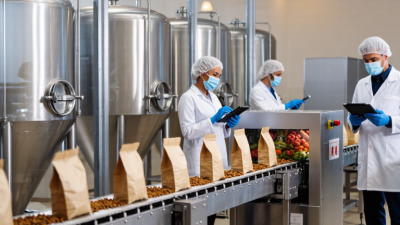
Sourcing Gourmet Wet Cat Food globally is not simply a search for attractive cans. It is a careful investigation into ingredients, suppliers, processing, and market reliability. Buyers must understand where the meat originates, how it is handled, and whether each batch can be traced. A glossy label is not enough. Dr. Lisa M. Freeman, a veterinary nutritionist at Tufts University, offers a practical reminder: “There is no one best diet for all pets.” Her view matters because gourmet positioning should never replace nutritional suitability. A premium recipe still needs complete and balanced formulation, clear feeding guidance, and credible quality controls. This is where sourcing decisions become more technical. The process should begin with qualified manufacturers and ingredient suppliers. Request facility records, product specifications, laboratory testing, and traceability documents. Visit production sites when possible. Watch the details: sealed raw materials, clean filling lines, temperature logs, and labeled pallets waiting for shipment. These small signs often reveal operational discipline. Global purchasing also requires attention to export documentation, packaging strength, shelf life, and local labeling requirements. Cold-chain planning may be essential for some ingredients, although many retort-packed products remain shelf-stable. Do not assume every “natural” or “human-grade” claim means the same thing worldwide. There are uncomfortable gaps. Supplier documents can be incomplete. Audits can miss seasonal problems. Even experienced buyers may trust attractive samples too quickly. A stronger approach combines independent testing, transparent communication, and repeated supplier reviews. Quality is not a single certificate. It is a habit maintained across borders.
Read more »
Ethan By:Ethan - October 16, 2026
China Top Complete Dry Cat Food Suppliers?

China Top Complete Dry Cat Food Suppliers?

Selecting China’s top Complete Dry Cat Food suppliers requires more than comparing prices or factory photos. Buyers need evidence of formulation control, ingredient traceability, production capacity, and export experience. The FEDIAF European Pet Food Industry 2024 report highlights the importance of nutritional adequacy and responsible pet food production. Its findings remind buyers that dry food is not merely a low-moisture product. It must support a cat’s daily nutritional needs. Market demand is also becoming more specialized. The American Pet Products Association reported continued strength in U.S. pet ownership and spending in its 2024 State of the Industry data. Meanwhile, China’s pet food market is developing quickly, with premium recipes, functional formulas, and private-label products gaining attention. Some suppliers now offer chicken, salmon, grain-free, kitten, indoor-cat, and urinary-care formulas. Small details matter. Check the kibble size, oil coating, smell, packaging seal, and batch consistency. A reliable supplier should provide ingredient specifications, laboratory results, feeding guidance, and clear production records. Certifications such as HACCP, ISO 22000, and relevant export approvals can support supplier evaluation, but certificates alone prove little. Independent testing remains valuable. Buyers should verify crude protein, fat, ash, moisture, taurine, microbial safety, and heavy-metal limits. No supplier list is perfect. Market data may use different definitions, and “top” can mean volume, quality, innovation, or service. This guide therefore compares practical evidence, not promotional claims. The best choice depends on your target market, cat profile, packaging needs, and acceptable risk.
Read more »

Ethan By:Ethan - October 11, 2026
How to Source Premium Wet Dog Food Globally?

How to Source Premium Wet Dog Food Globally?

Sourcing Premium Wet Dog Food globally requires more than comparing prices and attractive packaging. Buyers must examine ingredient quality, manufacturing controls, traceability, and supplier consistency. A reliable search begins with documented factories, qualified nutrition specialists, and clear product specifications. Ask where the meat comes from. Check how each batch is tested. Practical experience matters at every stage. A supplier may provide excellent samples, yet struggle with larger orders. Request production records, shelf-life data, microbiological test results, and packaging specifications. Review certifications independently when possible. Confirm that labels, additives, feeding instructions, and import documents meet the destination market’s requirements. Veterinary nutritionists can help assess whether recipes support complete and balanced feeding. Logistics specialists should also evaluate temperature exposure, container loading, port delays, and warehouse conditions. One damaged case can reveal a weak supply chain. Nothing is perfectly predictable. This guide explores how to compare international manufacturers, verify product claims, manage quality risks, and build dependable purchasing relationships. It also considers ethical sourcing, transparent communication, and responsible animal nutrition. Real procurement rarely follows a flawless checklist. Samples can hide variation, documents can become outdated, and trusted partners may still make mistakes. Buyers should record these weaknesses instead of ignoring them. Careful audits, batch-level testing, and ongoing supplier reviews create stronger decisions over time. The goal is not merely to find Premium Wet Dog Food, but to secure safe, compliant, consistent products that customers and their dogs can trust.
Read more »
Ethan By:Ethan - October 6, 2026
How to Source Premium Dry Dog Food Globally?

How to Source Premium Dry Dog Food Globally?

Sourcing Premium Dry Dog Food globally requires more than comparing prices and attractive packaging. It demands disciplined supplier research, ingredient verification, and careful logistics planning. Buyers must understand how meat meals, grains, oils, vitamins, and functional additives are sourced and processed. Small details matter. A stable product begins with reliable raw materials. Experienced importers usually evaluate manufacturers through audits, sample testing, production records, and transparent communication. They request certificates of analysis, allergen statements, shelf-life data, and batch traceability documents. Independent laboratory testing can confirm nutrient levels, contamination controls, and label accuracy. Factory photographs help, but they are not enough. Visiting the facility reveals storage conditions, hygiene practices, and production discipline. Global compliance also requires attention to destination-market requirements, including permitted ingredients, packaging language, registration procedures, and transport conditions. Temperature, humidity, and warehouse exposure can affect texture, freshness, and palatability, even when the bags appear undamaged. A dependable supplier should explain corrective actions when results fall outside specifications. That response often reveals more than a sales presentation. No sourcing plan is perfect. Forecasts change, shipping delays happen, and promising suppliers may lack consistency. This is where careful documentation and honest review become valuable. Buyers should compare total landed cost, not only the factory quotation. They should also test consumer acceptance in realistic feeding situations. A golden kibble color may look premium, yet dogs and owners judge the product differently. Trust develops through repeatable quality, clear evidence, and responsible decisions across every stage of the supply chain.
Read more »
Oliver By:Oliver - October 1, 2026
Top Custom Pet Food Manufacturing Companies Worldwide

Top Custom Pet Food Manufacturing Companies Worldwide

Custom Pet Food Manufacturing is moving from niche novelty toward a more visible part of the pet food business. The American Pet Products Association’s 2024 State of the Industry report valued U.S. pet-industry spending at $147 billion in 2023, with $150.6 billion projected for 2024. Grand View Research estimated the global pet food market at about $103.3 billion in 2023. These figures describe broad markets, not custom food alone. Still, they show the scale behind demand for tailored diets, smaller production runs, and flexible recipes. Customization can mean a recipe adjusted for life stage, ingredient preference, or a particular feeding routine. It does not automatically mean better nutrition. Veterinary nutritionist Dr. Lisa Freeman of Tufts has emphasized that “there is no one-size-fits-all diet for every pet.” That principle matters on the factory floor, where ingredient sourcing, formulation review, allergen controls, and batch consistency all shape the final product. A glossy pouch cannot prove nutritional quality. Real demand. Real responsibility. For buyers comparing leading companies worldwide, the useful questions are concrete: Who develops and reviews recipes? How are ingredients traced? Can production scale without changing quality? The answers may be less polished than a brand’s marketing. They deserve careful checking. This overview examines manufacturers through their capabilities, quality systems, product flexibility, and transparency, while recognizing that public information varies between companies. Customization may help meet specific preferences, but each pet’s nutritional needs should guide the decision.
Read more »
Ethan By:Ethan - September 28, 2026
Top 10 Retailer Own Label Pet Food Manufacturers Worldwide

Top 10 Retailer Own Label Pet Food Manufacturers Worldwide

Retailer Own-Label Pet Food is moving from a budget choice toward a strategic category for modern retailers. Shelves now display grain-free recipes, limited-ingredient formulas, functional treats, and veterinary-inspired nutrition. Behind these products, specialized manufacturers manage formulation, ingredient sourcing, safety controls, packaging, and international distribution. As Bob Vetere, a respected pet industry executive, said, “Pets are not just animals; they are part of the family.” That principle changes how retailers evaluate private-label partners. Price still matters. It cannot stand alone. Manufacturers must also deliver consistent nutrition, transparent sourcing, dependable production, and clear communication for pet owners. This overview presents the Top 10 Retailer Own-Label Pet Food Manufacturers Worldwide. The selection considers production capacity, retailer relationships, product development, quality systems, geographic reach, and market reputation. It also recognizes manufacturers serving different business models, from supermarket chains to specialist pet retailers and online platforms. The ranking is not flawless. Public data varies between companies, and private-label contracts are often confidential. Some manufacturers may appear stronger because they disclose more information. Others may operate quietly while producing substantial volumes. That limitation deserves attention. Still, the companies examined here reveal important industry patterns. They show how retailers are building differentiated ranges instead of copying national brands. They also demonstrate why manufacturing expertise matters at every stage, from ingredient testing to finished-bag inspection. For buyers, investors, and category managers, these manufacturers offer a practical view of where Retailer Own-Label Pet Food is heading next.
Read more »
Amelia By:Amelia - September 28, 2026
How to Find a Private Label Pet Food Manufacturer

How to Find a Private Label Pet Food Manufacturer

Private Label Pet Food Manufacturing is moving from a low-cost option toward a strategic growth channel. According to the American Pet Products Association’s 2025 State of the Industry report, U.S. pet industry spending reached approximately $152 billion in 2024. Pet food and treats represented about $65.8 billion. These figures show strong demand, but they do not guarantee success for every private label launch. Dr. Tony Buffington, a respected veterinary nutrition expert, states, “There is no one diet that is right for all cats.” This principle also applies to dogs, formulas, and markets. A manufacturer must match nutrition, ingredients, packaging, and claims with a clearly defined pet owner. Reports from Packaged Facts and NIQ indicate continued interest in premium, functional, and retailer-owned pet products. However, consumer interest is not enough. Product consistency, traceability, feeding trials, and transparent documentation matter more when a brand promise meets a real pet bowl. A practical evaluation should examine ingredient sourcing, facility certifications, minimum order quantities, testing procedures, and recall-readiness. Walk through the production line mentally: raw materials arrive, batches are recorded, samples are tested, and finished bags reach a warehouse. Any weak step can damage trust. The process is not perfect. Cost pressure may tempt brands to simplify too much. That deserves reflection. Strong partnerships usually begin with evidence, not attractive packaging. This guide explains how to assess manufacturers, compare capabilities, and build a private label pet food program with greater confidence.
Read more »
Ethan By:Ethan - September 28, 2026