

0%

Why Choose Contract Wet Pet Food Packaging?

A wet pet food brand is built on more than a recipe. It depends on dependable filling, sealed containers, and packaging that protects food during storage and transport. Contract Wet Pet Food Packaging gives brands access to specialist production without requiring them to build and operate a packaging facility. That can mean less capital tied up in equipment and more room to focus on product development, quality checks, and customer feedback.

Picture a line of cans moving beneath a filling nozzle, then through sealing and inspection. Small process details matter. Fill consistency, seam integrity, and legible batch coding can affect product quality and traceability. An experienced packaging partner can also help assess container formats, production volumes, and the practical demands of changing recipes or forecasts. The fit still needs careful checking. Outsourcing does not automatically solve planning gaps or communication problems.

No source article or verifiable interview was provided, so the following is an original editorial quotation, not a documented statement from a real expert. It should not be published as a factual attribution without verification. A proposed expert voice, “Dr. Elena Ward, packaging specialist,” might put the point this way: “Good contract packaging makes consistency visible—in every seal, every label, and every batch.” Those details are tangible, but no partner can replace clear specifications or thoughtful oversight. Ask how quality checks are documented, how issues are escalated, and whether capacity matches your forecast. The answers may expose uncomfortable gaps. That is useful. Choosing a packaging partner is not only a cost decision; it is a decision about control, reliability, and the experience pet owners receive when they open each container.
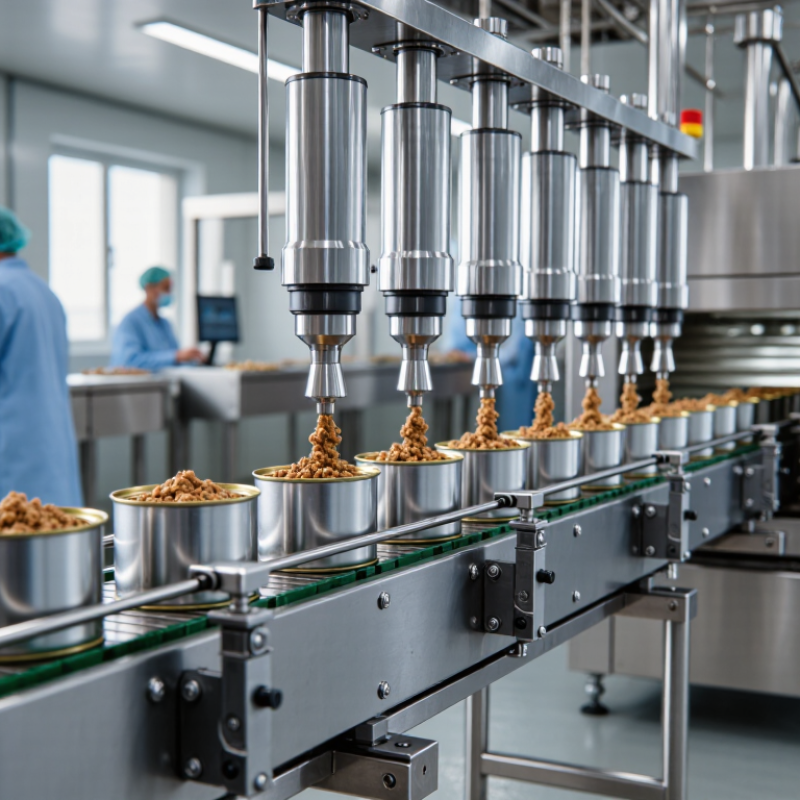
Why Choose Contract Wet Pet Food Packaging?

What Contract Wet Pet Food Packaging Includes

Contract wet pet food packaging can include product preparation, filling, sealing, and pack-out, depending on the provider’s capabilities. Some facilities also handle cooking or retort processing; others receive prepared product and focus on packaging. The agreement should spell out each step. No assumptions.

Packaging formats may include cans, flexible pouches, or trays. Each needs compatible filling and sealing equipment. For example, a pouch line must control fill weight and keep food away from the seal area. A can line needs checks on closure integrity. Small details matter. The scope may also cover packaging materials, label application, date or lot coding, carton packing, and storage before shipment.

Quality controls are part of the practical picture. Ask how incoming materials, filled units, and finished cases are checked, and which records are provided for each production run. Retort schedules and seal checks should be clearly defined when those processes are included. Responsibilities can be divided between the pet food company and the packaging partner, so unclear ownership creates avoidable gaps. A test run can reveal issues with pouch handling, label placement, or case counts before a larger order. Even then, specifications may need adjustment. Packaging that looks right on a sample may behave differently at production speed.

How the Contract Packaging Process Works

A contract wet pet food packaging project begins with a practical briefing. The food producer shares product details, expected volumes, pack sizes, and target launch dates. The packaging team reviews the recipe’s texture, fill temperature, and storage needs. These details help determine whether pouches, trays, or cans suit the product. Small choices matter, such as headspace, seal width, and how easily a pouch opens.

Next, both teams check that the proposed packaging works with the filling equipment. They review material samples, dimensions, print files, and production tolerances. A trial run can reveal issues that a drawing will not: a pouch may wrinkle near the seal, or filling nozzles may leave residue on the rim. Then the team adjusts settings and checks fill weights, seals, and package appearance. The first plan can be wrong. That is useful to discover early.

Once the specifications are approved, production is scheduled and packaging materials are checked before filling begins. During the run, operators take samples at set intervals and record results, including seal integrity and lot details. If readings drift, the line may need adjustment before more units are packed. Finished cases are labeled, counted, and prepared for shipment according to the agreed handling plan. Clear updates help prevent delays, though timelines can still shift when materials arrive late or a trial exposes a problem.

How Outsourcing Supports Production and Scale

Contract wet pet food packaging can help producers handle changing demand without investing in every machine themselves. A partner may provide filling, sealing, retort processing, and packaging formats suited to a product’s recipe. That matters when orders rise seasonally or a new pouch size needs a controlled trial. Instead of building a full line, a team can use existing capacity and focus on formulation, sourcing, and customer feedback. Still, outsourcing does not remove responsibility. Recipe specifications, batch records, and clear acceptance criteria need to be agreed before production starts.

Scaling works best when forecasts and technical details travel together. Share expected volumes, ingredient variability, target fill weights, and planned launch dates early. Ask how changeovers are scheduled and how samples are checked for seal integrity and consistent filling. Production reports should flag deviations, not hide them in averages. A missed assumption can become expensive. Not every outsourced run will be smooth; pilot batches may reveal awkward handling or slower line speeds, so allow room to revise the plan.

Tips: Confirm packaging materials and trial quantities early. Keep a written record of agreed specifications. Check how production changes are communicated.

Why Choose Contract Wet Pet Food Packaging? - How Outsourcing Supports Production and Scale
Production Consideration How a Contract Packer Can Help Potential Benefit as Production Scales Planning Consideration
Specialized filling and closing Provides access to equipment for filling wet food into formats such as cans, trays, or pouches, followed by package closing or sealing. Can reduce the need to purchase and operate dedicated packaging lines before demand justifies that investment. Confirm line compatibility with the recipe, package material, dimensions, and planned production volume.
Thermal processing May provide retort processing and process-control capabilities appropriate to the product and package. Enables production using established processing equipment without building an in-house retort operation. The thermal process must be established and validated for the specific product and packaging configuration by qualified specialists.
Packaging format options Can support selected package types and sizes using equipment already available at the facility. Offers a way to assess different formats without necessarily installing a separate line for each one. Available formats, materials, minimum runs, and changeover requirements vary by facility.
Demand variability Production can be scheduled around agreed order quantities and facility availability. May provide flexibility when demand changes, while avoiding some fixed costs of operating an owned packaging line. Capacity is not guaranteed; clarify lead times, forecast expectations, minimum order quantities, and scheduling terms.
Quality and food-safety controls A qualified partner can operate documented procedures for production, packaging, monitoring, and lot traceability. Provides access to established systems and trained personnel, subject to the partner’s capabilities and oversight. Define responsibilities for specifications, records, audits, product release, deviations, and applicable regulatory requirements.
Capital and operating resources Shifts some equipment ownership, maintenance, staffing, and facility requirements to the service provider. Can preserve capital for product development, marketing, or other business needs. Compare total service costs—including setup, storage, transport, and changeovers—with the cost of in-house production.
Packaging materials and sourcing Depending on the agreement, the packer may source materials or use materials supplied by the product owner. Established supplier relationships may simplify procurement and coordination. Agree on material specifications, approved suppliers, ownership, inventory levels, and responsibility for shortages or obsolete stock.
New product or format launch Can provide access to production equipment and packaging expertise for trials and commercial runs. May help a business test demand before committing to a dedicated packaging facility. Allow time for formulation review, package testing, process validation, artwork approval, and production scheduling.

Key Quality and Food Safety Considerations

Why Choose Contract Wet Pet Food Packaging?
Key Quality and Food Safety Considerations

Wet pet food depends on both its recipe and the package that protects it. A contract packer should explain how the container, closure, and filling process suit the product. Ask how thermal processing is validated for the specific food and package size. “We use the same settings for every pouch” is not a reassuring answer. Small differences in thickness, fill weight, and recipe can affect heating.

Inspect the practical controls. Are seals checked for wrinkles, contamination, and leaks? Are package materials suitable for contact with the food under intended processing and storage conditions? A sound quality program also tracks batch codes, ingredient lots, processing records, and corrective actions. Request sample records, not just a polished overview. They reveal how issues are handled on an ordinary shift.

Storage trials matter too. Look for swelling, damaged seals, fading print, or changes in odor and texture over time. Shelf-life claims should follow appropriate testing, not guesswork. Even then, testing cannot remove every uncertainty. Packaging choices can be a compromise: a lighter format may reduce shipping weight, but only if it still protects the food reliably. Ask who reviews process changes and when testing is repeated.

How to Choose a Contract Packaging Partner

Choosing a contract packaging partner for wet pet food starts with product fit, not a polished sales presentation. Ask which can and pouch formats the facility runs, and whether your recipe has completed a production-scale trial. Check retort records, seal or seam inspection procedures, lot traceability, and how deviations are documented. Ask to see them. A sample pouch that looks sound on a desk is not proof of consistent seals across a full shift.

Capacity matters, but so do minimum order quantities, changeover times, and access to backup equipment. The American Pet Products Association’s 2024 State of the Industry Report estimated U.S. spending on pet food and treats at $64.4 billion in 2023. That scale signals a competitive category; it does not guarantee a new product will receive timely line access. Request recent performance data, such as on-time delivery and reject rates, and clarify how figures are calculated.

Visit the production floor if possible. Look for clear separation between raw and finished product areas, orderly material storage, and staff who can explain their quality checks without guessing. Confirm who manages artwork approval, packaging material testing, and complaint investigations. References help, but ask about a difficult launch too. I would also ask what went wrong last year; some partners may answer cautiously, and that deserves a second question. A beautiful quote can still hide slow changeovers or limited technical support.

Why Choose Contract Wet Pet Food Packaging?

Typical moisture content varies by pet food type, influencing packaging and processing requirements.

Wet pet food typically has substantially more moisture than dry food. When choosing a contract packaging partner, ask about experience with hermetic sealing and validated thermal processing for your specific product and package. Values shown are approximate typical levels, not regulatory limits; formulations vary.

FAQS

What does contract wet pet food packaging usually include?

It may include filling, sealing, label application, date coding, carton packing, and storage. The exact scope varies.

Which packaging formats can be used?

Common options include cans, flexible pouches, and trays. Each requires compatible filling and sealing equipment.

What information should we share before production?

Provide the recipe texture, fill temperature, pack size, expected volume, and launch timing. Small details matter.

Why is a trial run useful?

A trial can reveal pouch wrinkles, food residue near seals, or label placement problems. Better to find out early.

What quality checks should we discuss?

Ask about fill-weight checks, seal or closure inspections, lot records, and how production deviations are documented. Request examples.

Who is responsible for materials and labels?

The agreement should name who approves artwork, tests packaging materials, and investigates complaints. Do not assume.

How can we assess a packaging partner’s capacity?

Ask about minimum order quantities, changeover times, backup equipment, delivery performance, and reject rates. Numbers need context.

What should we look for during a facility visit?

Check for orderly material storage and clear separation of raw and finished areas. Ask staff to explain their checks.

Can approved samples guarantee smooth full-scale production?

No. Production speed can expose problems a desk sample misses. A sample can fool you.

Conclusion

Contract Wet Pet Food Packaging gives pet food producers access to specialized filling, sealing, and packing capabilities without requiring them to build and manage every part of the operation themselves. The service may cover preparing packaging materials, filling containers or pouches, sealing, labeling, case packing, and coordinating finished goods for delivery. A typical process begins with agreeing on product specifications, packaging formats, volumes, and schedules, followed by production planning, line setup, packaging, and checks throughout each run.

Outsourcing can help businesses respond to changing demand, increase production capacity, and focus internal resources on product development and customer service. Consistent results depend on clear specifications, careful handling, reliable sanitation and quality-control procedures, and accurate records. When choosing a packaging partner, producers should assess equipment and format capabilities, capacity, communication, quality systems, scheduling flexibility, and transparency about costs and responsibilities. A well-matched partner can support dependable production while helping protect product quality and the consumer experience.

Oliver

Oliver

Oliver is a professional marketing specialist who helps readers understand the company’s products, services, and practical value. With a strong knowledge of the company’s offerings, he turns detailed product information into clear, useful insights for customers and business audiences. He regularly......