

Sourcing Premium Wet Dog Food globally requires more than comparing prices and attractive packaging. Buyers must examine ingredient quality, manufacturing controls, traceability, and supplier consistency. A reliable search begins with documented factories, qualified nutrition specialists, and clear product specifications. Ask where the meat comes from. Check how each batch is tested.
Practical experience matters at every stage. A supplier may provide excellent samples, yet struggle with larger orders. Request production records, shelf-life data, microbiological test results, and packaging specifications. Review certifications independently when possible. Confirm that labels, additives, feeding instructions, and import documents meet the destination market’s requirements. Veterinary nutritionists can help assess whether recipes support complete and balanced feeding. Logistics specialists should also evaluate temperature exposure, container loading, port delays, and warehouse conditions. One damaged case can reveal a weak supply chain.
Nothing is perfectly predictable.
This guide explores how to compare international manufacturers, verify product claims, manage quality risks, and build dependable purchasing relationships. It also considers ethical sourcing, transparent communication, and responsible animal nutrition. Real procurement rarely follows a flawless checklist. Samples can hide variation, documents can become outdated, and trusted partners may still make mistakes. Buyers should record these weaknesses instead of ignoring them. Careful audits, batch-level testing, and ongoing supplier reviews create stronger decisions over time. The goal is not merely to find Premium Wet Dog Food, but to secure safe, compliant, consistent products that customers and their dogs can trust.
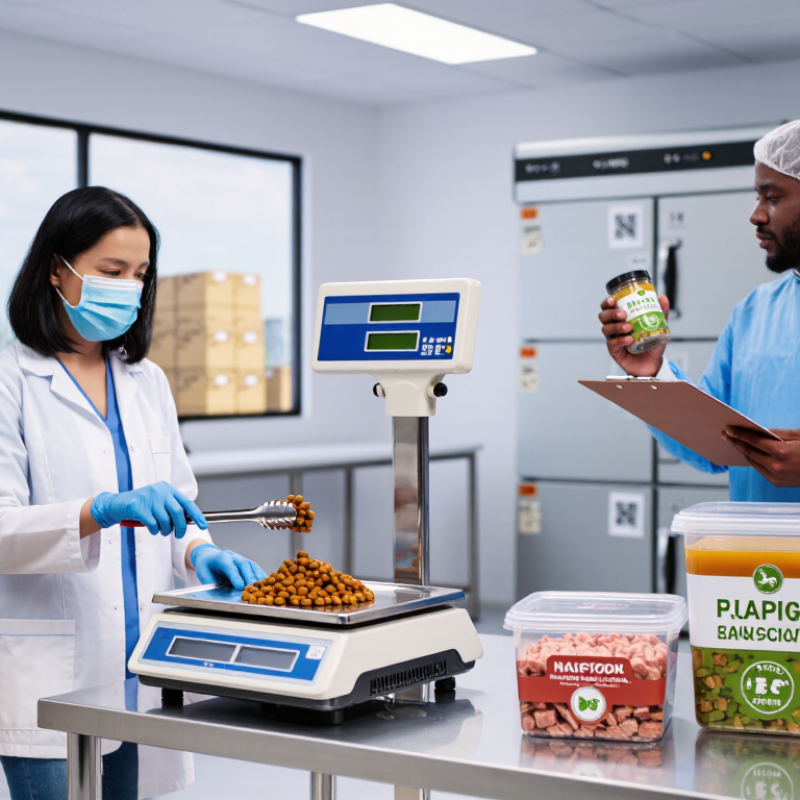
When sourcing premium wet dog food globally, define “premium” through nutrition, not glossy packaging. Under FEDIAF guidance, a complete food should provide essential nutrients when fed as the sole daily ration for a stated life stage. Adult maintenance, growth, reproduction, and senior formulas may require different targets. “Complementary” food is not equivalent. The wording matters.
A reliable buyer should request the recipe’s nutritional specification, feeding guide, moisture level, calorie value, and latest batch certificate of analysis. Check protein, fat, fiber, ash, minerals, vitamins, and relevant amino acids on a dry-matter basis. Wet food may contain 75% moisture, so “10% protein” is not directly comparable with dry food. Confirm that declared values match laboratory results, not only formulation software. Ask how suppliers control pathogens, foreign material, can integrity, and temperature records during shipment. Not only paperwork.
Traceability should reach the ingredient lot, production date, and destination warehouse. I would compare feeding instructions with declared calorie density, because attractive labels sometimes simplify important details. FEDIAF guidelines are respected technical references, but they are not a universal certification. Local labeling and import rules still need separate verification. This is where sourcing becomes less glamorous. A supplier may provide polished documents yet respond slowly when challenged. That weakness deserves attention. Taste tests can reveal acceptance, but they cannot prove nutritional completeness. Independent review, retained samples, and a documented complaint process create stronger evidence before placing a large order.
How to Source Premium Wet Dog Food Globally?
The American Pet Products Association valued U.S. pet sales at $152 billion in 2024. This figure shows strong spending power, but it does not measure wet dog food alone. Importers should separate dog food sales from veterinary services, accessories, and other categories. Euromonitor International’s 2024 pet care analysis also highlights continued premiumization in mature markets. However, premium demand differs sharply between cities, income groups, and retail channels. A $4 pouch may seem affordable in one market, yet expensive elsewhere.
Europe offers another useful reference point. FEDIAF’s 2024 Facts and Figures reported about 139.7 million European households owning pets. It also recorded approximately €29.3 billion in pet food sales. These figures support regional demand, but they do not guarantee fast movement for every recipe. Track wet-food penetration, dog ownership, local prices, and repeat purchases before choosing suppliers. Check protein sources, batch testing, moisture levels, packaging strength, and shelf-life records. Cold-chain assumptions can be costly. Sometimes, they are wrong.
Tips: Build a country-by-country demand sheet before requesting quotations. Compare retail prices against household income, not currency alone. Ask suppliers for laboratory certificates, traceability documents, and export experience. Test a small shipment first. Measure leakage, palatability feedback, customs delays, and reorder rates. Industry reports provide direction, not certainty; incomplete channel data still requires careful local validation.
Sourcing premium wet dog food globally requires more than attractive packaging and a rich ingredient list. Suppliers should be screened against FDA requirements, AAFCO model standards, EU feed rules, and the destination country’s local regulations. These systems overlap, but they are not identical.
Request the manufacturer’s facility details, product specifications, ingredient approvals, and batch records. Check whether the facility meets applicable FDA registration and preventive-control obligations. Review labels against AAFCO model regulations where relevant, especially guaranteed analysis, feeding directions, and nutritional adequacy statements. In the EU, verify feed hygiene controls, traceability, approved additives, and required labeling language. Local authorities may require import permits, health certificates, or additional laboratory reports.
Ask for recent test results covering pathogens, heavy metals, moisture, and nutritional consistency. A sealed retention sample can reveal whether the production batch matches the approved formula. Visit the plant when possible. Look at stainless-steel surfaces, cold-chain records, sanitation logs, and pest-control measures. Paperwork matters, but factory habits matter more.
No checklist is perfect. Supplier documents can expire, and rules can change after approval. I would recheck certificates before every major shipment and record each regulatory assumption in writing. That small discipline prevents costly surprises at customs, warehouses, and retail counters. Premium quality must survive inspection, not just marketing review.
Premium wet dog food requires more than attractive packaging and a low quoted price. An effective supplier audit begins with HACCP records, trained staff, and controlled production areas. Inspect hazard analysis, critical limits, sanitation logs, and corrective actions. Do not accept documents without checking how workers use them on the production floor. Traceability should work in both directions. Ask the supplier to trace one finished can back to its ingredients, supplier codes, and processing date. Then select one ingredient and trace it forward. A reliable system should identify affected batches quickly. No audit is perfect. A clean file can still hide weak daily practices.
Request a Certificate of Analysis for every relevant batch, not only the first shipment. Compare declared values with laboratory results for moisture, protein, fat, microbiological safety, and contaminants. Independent batch testing adds useful distance from supplier claims. Keep sealed samples under controlled conditions, with dates and chain-of-custody records. Review unusual variations between batches. They may signal formulation drift or sampling problems. One missing record deserves attention. It may be harmless, but it should never be ignored.
Tips: Visit the facility when possible. Interview operators privately. Check whether labels, seals, and batch codes match production records. Ask for a recent failed test and the documented response. That answer often reveals more than a polished presentation. Record weaknesses honestly, then set measurable corrective deadlines.
Sourcing premium wet dog food starts with a complete landed-cost model, not a factory quotation. Include product price, packaging, freight, duties, testing, insurance, port fees, and inland delivery. For chilled trays, add data loggers, refrigerated storage, and possible spoilage. For retort cans, temperature control may differ, but seal integrity still matters. Compare costs per saleable kilogram. A low quote can mislead.
MOQ decisions should reflect forecast accuracy, shelf life, and warehouse capacity. A large MOQ may reduce unit cost but tie cash to slow-moving inventory. Ask suppliers to show production lead times, batch sizes, expiry dates, and pallet configuration. Incoterms must match your operational control. Under one term, the seller may arrange main transport; under another, you carry more risk earlier. Confirm who handles export clearance, insurance, import procedures, unloading, and temperature claims. Do not treat Incoterms as a quality guarantee. Check destination rules with a qualified customs professional.
Cold-chain planning needs written limits, calibrated sensors, and escalation contacts. Record temperatures at loading, border transfer, warehouse receipt, and delivery. For every batch, require readable lot codes and retained samples. Your recall procedure should connect one lot to ingredients, destinations, invoices, and customer notices. Run a mock recall before launch. It may expose gaps. I would also challenge vague audit reports; photos cannot replace current records and independent verification. Some sourcing plans remain imperfect. Review them after each shipment, especially after delays, damaged cases, or unexplained temperature excursions.
Request facility details, product specifications, ingredient approvals, labels, batch records, and recent certificates.
Compare labels with destination feed rules, including guaranteed analysis, feeding directions, and nutritional adequacy statements.
Review hazard controls, sanitation logs, pest-control records, staff training, and corrective actions.
Ask the supplier to trace one can backward to ingredients, supplier codes, and processing dates.
Request results for pathogens, heavy metals, moisture, protein, fat, contaminants, and nutritional consistency.
Keep sealed samples from each batch under controlled conditions.
Include product price, packaging, freight, duties, testing, insurance, port fees, and inland delivery.
Match order sizes with demand forecasts, shelf life, warehouse space, and available cash.
Link every lot to ingredients, destinations, invoices, retained samples, and customer notices.
Sourcing Premium Wet Dog Food globally requires a clear definition of quality, demand, compliance, and supply-chain performance. Buyers should begin by confirming that products meet complete-and-balanced dietary standards, such as those established by recognized European and regional feed-safety frameworks. Market research should assess target-country demand, consumer preferences, price tiers, and category growth, while recognizing the scale of the U.S. pet market, valued at approximately $152 billion in 2024.
Supplier screening should cover applicable FDA, AAFCO, EU, and local feed-safety requirements, supported by documented HACCP programs, ingredient traceability, certificates of analysis, and routine batch testing. Commercial evaluation should compare landed costs, minimum order quantities, Incoterms, packaging durability, temperature-control needs, shipping reliability, and recall procedures. A strong sourcing strategy combines verified product safety, transparent documentation, dependable logistics, and realistic total-cost analysis to reduce risk and build a stable international supply network.