

0%

The pet food market is moving toward healthier, more transparent choices. APPA’s 2024 State of the Industry report shows continued growth in U.S. pet spending, reflecting stronger owner investment in daily nutrition. Treats are no longer viewed only as rewards. They support training, bonding, dental care, and routine enrichment.

This shift makes Healthy Dog Snacks Manufacturing an important sourcing decision. Manufacturers with documented ingredient controls can provide clearer information about protein sources, calories, allergens, and processing methods. Euromonitor International’s consumer research also identifies pet wellness and product transparency as influential purchasing trends. These findings explain why buyers increasingly examine certificates, laboratory testing, traceability, and production standards before choosing a supplier.

Quality begins on the factory floor. A reliable manufacturer should control raw materials, monitor moisture levels, and separate allergen-sensitive ingredients. Packaging should protect texture and freshness, especially for soft chews exposed to heat. AAFCO nutritional guidance and applicable food-safety requirements can support responsible product development, although they do not replace independent verification.

“Healthy” is not a magic word. Some products use attractive claims without offering enough evidence. That weakness deserves attention. Experienced manufacturers should explain ingredient functions without exaggeration and provide batch records when appropriate. They should also understand that one dog’s ideal snack may not suit another dog’s age, size, activity level, or medical needs. The best partnerships combine practical manufacturing experience, qualified nutrition knowledge, and honest communication. No supplier is perfect, but transparent systems make shortcomings easier to identify and improve.
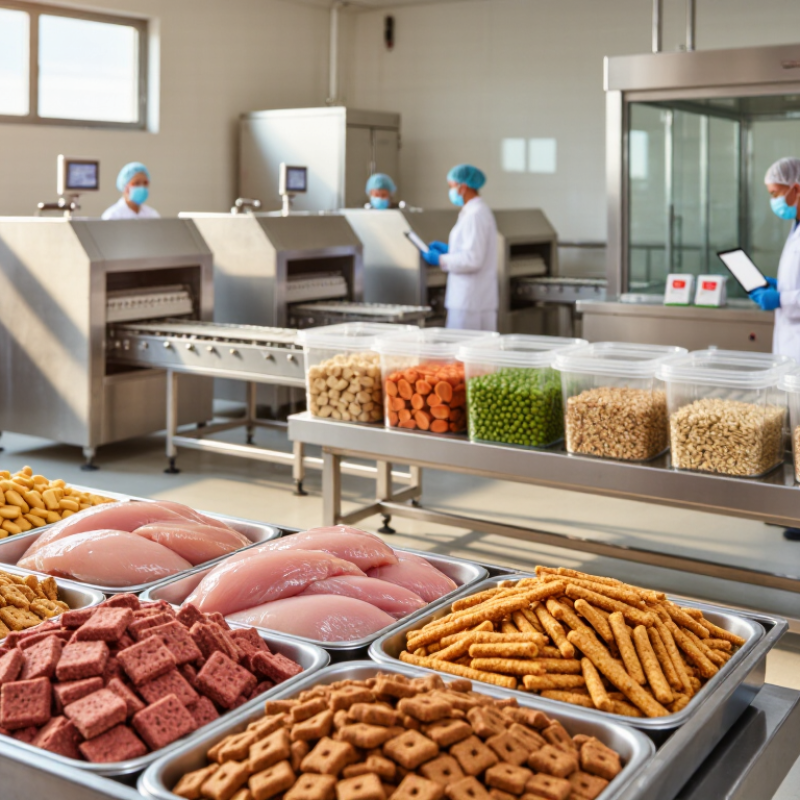
Why Choose Healthy Dog Snacks Manufacturers?

What Defines a Healthy Dog Snack Manufacturer?

A healthy dog snack manufacturer is defined by evidence, not attractive packaging. The APPA 2023–2024 National Pet Owners Survey reports that 66% of U.S. households own a pet. That scale increases the need for responsible production. A credible manufacturer should use clearly identified ingredients, controlled calories, and nutrition checks aligned with AAFCO guidelines. It should also test for pathogens, heavy metals, and unwanted contaminants through qualified laboratories. Batch numbers and supplier records matter. They make recalls faster and investigations more reliable.

Experience appears in the factory details. Raw materials should be stored separately, with temperature and moisture monitored throughout production. Workers need documented hygiene training. Equipment must be cleaned between production runs. The manufacturer should explain its quality system without hiding behind vague terms such as “natural” or “premium.” The FDA’s Current Good Manufacturing Practice framework offers a useful benchmark for manufacturing controls, although compliance alone does not prove every snack is nutritionally ideal. That distinction is often missed.

Tips: Choose snacks with simple ingredient lists, clear feeding guidance, and traceable batch information. Check calories per piece, especially for small dogs. Ask whether independent testing is performed. If the answer sounds incomplete, pause. No process is perfect. Even responsible manufacturers may improve testing frequency, supplier reviews, or packaging controls after finding weaknesses. That willingness to disclose and correct problems is a stronger trust signal than polished advertising.

How Manufacturers Select Safe and Nutritious Ingredients

Why Choose Healthy Dog Snacks Manufacturers?

Healthy dog snack manufacturers begin with ingredient quality, not attractive packaging. They assess each supplier’s records, storage conditions, and traceability before production starts. Animal proteins should be clearly identified, with consistent freshness and tested nutritional value. Vegetables, grains, or legumes also need careful screening for mold, heavy metals, and unwanted residues.

Safety checks continue after ingredients arrive. Production teams examine moisture levels, temperature controls, and possible cross-contact between recipes. A small moisture change can affect texture and encourage spoilage. Reliable facilities use documented cleaning schedules and batch testing. They may test for harmful bacteria, while nutrition specialists review protein, fat, fiber, and calorie levels. Portion size matters too, especially for small dogs or pets with sensitive digestion.

Not every “natural” ingredient is automatically suitable. That needs honest attention. Some dogs react badly to common proteins, and excessive fat may cause digestive discomfort. Manufacturers should explain ingredient functions in plain language and avoid promising universal health benefits. Clear labels, accessible test records, and responsive customer support strengthen trust. Independent veterinary or laboratory input can improve decisions, although no process is flawless. A missed detail in supplier communication can still create risk. Careful manufacturers keep reviewing their systems, because safe nutrition depends on consistent evidence, not fashionable claims.

How Dog Snacks Are Produced and Quality-Controlled

Why Choose Healthy Dog Snacks Manufacturers?

How Dog Snacks Are Produced and Quality-Controlled

Healthy dog snacks begin with controlled ingredients, not attractive packaging. Manufacturers should verify suppliers, ingredient identity, freshness, and storage conditions before production starts. Meat, vegetables, grains, or functional ingredients are weighed according to a documented formula. Small errors can affect nutrition.

The process often includes grinding, mixing, shaping, baking, or gentle dehydration. Each stage needs clear temperature and time records. Proper heat reduces microbial risks, while controlled drying limits moisture that can encourage mold. Workers should sanitize equipment between batches and separate raw materials from finished snacks. Traceability matters. A batch code should connect ingredients, operators, equipment, and test results.

Quality control continues after production. Samples may be checked for moisture, texture, weight, microbial safety, and nutritional consistency. Packaging is inspected for strong seals and accurate feeding information. Independent laboratory testing can strengthen confidence, especially for higher-risk ingredients. Staff training and written procedures also support reliable results. Still, no process is flawless. A trustworthy manufacturer investigates unusual results instead of hiding them. It should document complaints, review failed batches, and improve procedures when evidence shows a weakness. A crunchy piece may look perfect, yet testing and records reveal far more about its safety. Experiences from routine inspections often expose practical problems, such as uneven drying or poorly calibrated scales. That honesty helps dog owners choose snacks made with care, evidence, and accountability.

Which Health Benefits Can These Snacks Provide?

Healthy dog snacks can do more than reward a happy wag. When portions stay controlled, they may support training without adding excessive calories. Small details matter.

Protein-rich treats can help maintain lean muscle, especially when paired with regular exercise. Fiber from suitable plant ingredients may support steadier digestion and firmer stools. Some crunchy textures can gently reduce surface buildup on teeth, but they cannot replace brushing or professional dental care. Snacks containing measured nutrients may also support skin and coat condition. Results vary between dogs.

Reliable manufacturers usually explain ingredient sources, calorie content, feeding guidance, and quality testing. This information helps owners choose treats based on age, size, allergies, and activity level. Careful production can reduce contamination risks and improve consistency between batches. Veterinary nutrition knowledge also matters, particularly for dogs with diabetes, kidney concerns, or sensitive stomachs. Claims should be specific, not exaggerated.

No snack is perfect. Even a wholesome recipe can cause problems when portions become too generous. A useful habit is breaking one treat into smaller pieces and counting it within the daily diet. Observe changes in stool, itching, energy, and body weight. If something seems unusual, stop the treat and ask a veterinarian. Dogs differ more than packaging often suggests.

Why Choose Healthy Dog Snacks Manufacturers? - Which Health Benefits Can These Snacks Provide?

Snack Feature or Nutrient Potential Health Benefit Dogs That May Benefit What to Check When Choosing a Snack Important Consideration
High-quality protein Provides amino acids that help maintain muscles, tissues, skin, and coat. Growing, active, senior, or recovering dogs, depending on veterinary guidance. A clearly identified animal or plant protein source near the beginning of the ingredient list. Protein needs vary with age, activity, health status, and the dog’s complete diet.
Omega-3 fatty acids May support normal skin and coat condition and help maintain a balanced inflammatory response. Dogs with dry skin or dull coats may benefit, but persistent skin problems need veterinary assessment. A declared source such as fish oil or flaxseed, plus the actual omega-3 amount when available. The type and amount of omega-3 matter; supplements should be discussed with a veterinarian.
Dietary fiber Can support normal stool quality, intestinal movement, and feelings of fullness. Dogs needing portion-controlled treats or additional digestive support. Moderate fiber sources such as pumpkin, oats, or selected vegetables, with a complete guaranteed analysis. Too much fiber may cause gas, loose stools, or reduced nutrient absorption in some dogs.
Controlled calorie content Helps owners manage total daily energy intake and reduce the risk of excess weight gain. Less active, overweight, or weight-management dogs. Calories per treat, serving size, and whether the snack is easy to break into smaller pieces. Treats should generally provide no more than about 10% of a dog’s daily calories.
Dental-friendly texture Chewing may help remove some surface debris, while approved dental products may support daily oral-care routines. Dogs that tolerate chewing and need additional at-home dental care. Appropriate size, safe texture, feeding instructions, and recognized dental-care claims where applicable. Chews do not replace tooth brushing or professional dental examinations; hard items may fracture teeth.
Limited-ingredient recipe Makes ingredient tracking easier and may help owners avoid known food triggers. Dogs with suspected food sensitivities, subject to veterinary advice. A short, transparent ingredient list and clear disclosure of common allergens. A limited ingredient list does not automatically prove that a snack is hypoallergenic.
Minimal unnecessary additives A simple recipe can make dietary monitoring easier and improve ingredient transparency. Dogs with sensitive digestion or owners seeking simpler treat options. Clear labeling, defined preservatives, and absence of vague terms such as unspecified animal derivatives. “Natural” does not necessarily mean nutritionally complete, low-calorie, or suitable for every dog.
Traceable quality control Batch testing, sanitation controls, and traceability can help improve product consistency and food safety. All dogs, especially those with medical conditions or dietary restrictions. Lot numbers, expiration dates, storage instructions, ingredient transparency, and documented quality procedures. Good manufacturing practices improve safety but do not guarantee that every recipe suits every individual dog.

General feeding note: Healthy snacks should complement—not replace—a complete and balanced diet. Introduce new treats gradually, provide fresh water, and consult a veterinarian when a dog has allergies, obesity, digestive disease, or other medical needs.

How to Choose a Reliable Healthy Dog Snack Manufacturer

Choosing a healthy dog snack manufacturer requires more than attractive packaging. The APPA 2023–2024 National Pet Owners Survey reports that 65.1 million U.S. households own a dog. That scale increases the need for consistent safety, clear nutrition, and dependable supply. FEDIAF’s 2024 Facts and Figures reports about 139 million European households own a pet, showing how widely snack quality matters across markets.

Ask for ingredient specifications, allergen controls, and recent laboratory results. These should cover pathogens, moisture, heavy metals, and unwanted contaminants. Request a certificate of analysis for each production batch, not only a general factory certificate. Traceability should connect the finished pouch to its ingredients, production date, and processing line. It sounds basic. It is often where weak systems appear.

A reliable manufacturer should explain calorie content and serving guidance clearly. Treats should not quietly replace a complete diet. Their nutrition team should understand WSAVA Global Nutrition Guidelines and applicable feed-labeling rules. Look for documented HACCP-based procedures, independent audits, recall testing, and realistic shelf-life studies. Visit the facility if possible. Observe cleaning records, storage temperatures, and how employees handle opened ingredients. A polished factory can still have poor controls. I would also test small batches before signing a large contract, because laboratory results do not reveal every texture or palatability problem. Honest manufacturers admit limits and correct them with evidence.

Why Choose Healthy Dog Snack Manufacturers?

A reliable manufacturer should be able to formulate products against recognized nutritional benchmarks and provide clear testing and traceability records. The chart shows selected AAFCO adult-maintenance nutrient benchmarks on a dry-matter basis.

These values are reference points for complete and balanced adult dog food, not universal requirements for every treat. When evaluating a snack manufacturer, also verify ingredient traceability, batch testing, accurate labeling, and appropriate treat-specific feeding guidance.

FAQS

How are ingredients checked before dog snacks are made?

Manufacturers verify supplier records, ingredient identity, freshness, storage, and traceability. Meat should be clearly identified. Vegetables and grains need screening for mold, heavy metals, and unwanted residues.

What happens during snack production?

Ingredients are weighed using a documented formula. They may be ground, mixed, shaped, baked, or gently dehydrated. Temperature and drying records help control microbial growth and excess moisture.

How is contamination reduced during manufacturing?

Workers clean equipment between batches and separate raw ingredients from finished snacks. Facilities may test samples for harmful bacteria. No system is flawless, unfortunately.

What information should appear on the package?

Labels should explain ingredients, calories, portion guidance, feeding limits, and batch information. Clear wording helps owners compare snacks. Attractive pictures prove very little.

Can dog snacks support health?

Controlled portions may support training without adding too many calories. Protein can help maintain lean muscle, while suitable fiber may support digestion. Results vary between dogs.

Can crunchy snacks improve dental health?

Some crunchy textures may reduce surface buildup on teeth. They cannot replace brushing or professional dental care. This distinction matters.

How should owners choose snacks for sensitive dogs?

Consider age, size, allergies, activity level, and digestive history. Excessive fat may cause discomfort. Introduce new snacks slowly and watch for itching, loose stools, or weight gain.

What should owners do when a snack causes problems?

Stop offering it and record the dog’s symptoms, portion, and timing. Contact a veterinarian if problems continue. A missed detail can happen, so review the label and feeding amount honestly.

Why are batch testing and traceability important?

A batch code can connect ingredients, workers, equipment, and test results. This helps identify uneven drying, incorrect weights, or unusual test findings. Records reveal more than appearance.

Conclusion

Choosing a reliable healthy dog snack manufacturer is essential for providing pets with safe, nutritious, and enjoyable treats. A responsible manufacturer focuses on transparent sourcing, balanced nutrition, and strict production standards. Ingredients should be carefully selected for quality, digestibility, and appropriate nutritional value, while avoiding unnecessary additives and unsuitable components. Through controlled processing, proper hygiene, and consistent testing, manufacturers can help ensure that every snack meets established safety and quality expectations.

Healthy Dog Snacks Manufacturing can also support specific wellness goals, such as maintaining healthy skin and coat, supporting digestion, helping manage weight, or providing beneficial nutrients for daily vitality. When evaluating a manufacturer, buyers should consider ingredient transparency, production facilities, quality-control procedures, product testing, and the ability to provide clear nutritional information. A dependable partner should demonstrate consistency, responsible practices, and a commitment to pet health rather than focusing only on appearance or low cost.

Amelia

Amelia

Amelia is a professional marketing specialist with a strong understanding of product strategy, customer needs, and market trends. As a valued member of the company, she combines creative communication skills with practical industry knowledge to present complex product information in a clear,......