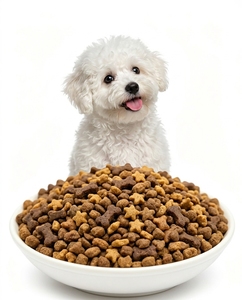


Explore our core range of CE-compliant, high-nutrition dry pet foods, functional treats, and OEM packaging solutions developed for commercial buyers worldwide.
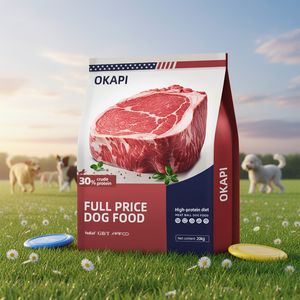
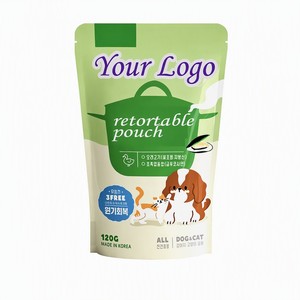
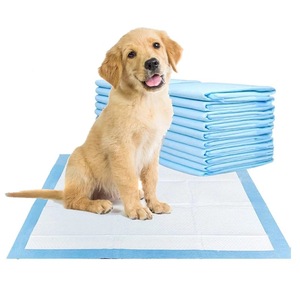

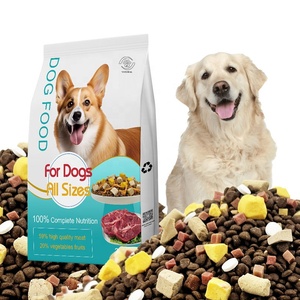
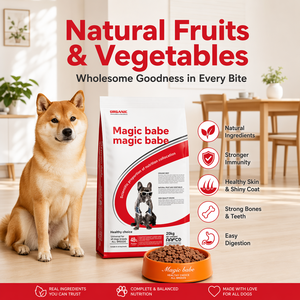
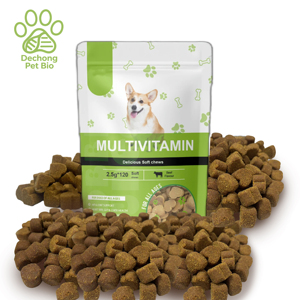
An authoritative analysis of food safety standards, industrial processing metrics, and European manufacturing capabilities for commercial procurement teams.
The global pet care market has entered an unprecedented era of humanization, nutrient density, and stringent regulatory oversight. Commercial buyers, supermarket chains, and private label brand owners seeking qualified CE Certified Dehydrated Pet Treats Factories must navigate complex compliance frameworks, raw material traceability protocols, and advanced thermal dehydration science.
Dehydration technology—distinct from high-heat baking and traditional freeze-drying—serves as a vital middle ground that balances bio-available nutrient preservation with shelf-stable microbial safety. Achieving official CE compliance alongside European Union animal byproduct regulations (EC No 1069/2009 and EU No 142/2011) requires factories to operate sophisticated industrial infrastructure, continuous temperature logging, and rigorous water activity ($a_w$) control systems.
Combining industrial scale with flexible formulation engineering across wet food, complete kibble, functional treats, and grooming accessories.
Every facility in our 12-factory network adheres strictly to European manufacturing regulations, ISO 22000, and HACCP principles, providing full batch traceability from farm to retail packaging.
Our specialized veterinary nutritionists develop tailored recipes—ranging from 48% fresh meat high-protein dried kibble to monoprotein hypoallergenic jerky treats and soft chews.
Consolidate your vendor matrix by sourcing dry food kibble, retort aluminum foil pouch wet foods, raw meat freeze-dried bites, and sanitary pet care accessories under one unified system.
Operating under our ESG framework—Performance, Environment, Team, and Society—we utilize energy-efficient dehydrators, recyclable mono-material barrier bags, and ethical meat sourcing.
State-of-the-art dehydration kilns guarantee water activity maintained consistently below 0.60 $a_w$, prohibiting bacterial growth while eliminating the need for synthetic preservatives.
Accommodating both established retail brands and rapidly scaling pet product lines, we offer packaging formats from 1.5kg retail pouches up to 20kg bulk commercial sacks.
A comparative analysis detailing how low-temperature dehydration performs against alternative industrial pet food processing methods.
| Processing Method | Drying Temp Range | Target Water Activity ($a_w$) | Nutrient Preservation | Shelf Life (Unopened) | Commercial Cost Profile |
|---|---|---|---|---|---|
| Low-Temp Air Dehydration (LTAD) | 60°C – 75°C | 0.55 – 0.62 | High (Preserves heatsensitive vitamins) | 18 – 24 Months | Optimal / High Margin |
| Freeze-Drying (Lyophilization) | -40°C to +30°C (Sublimation) | 0.20 – 0.40 | Exceptional (Near-raw state) | 24 – 36 Months | Premium High Cost |
| High-Temperature Oven Baking | 140°C – 180°C | 0.40 – 0.60 | Moderate (Thermal degradation occurs) | 12 – 18 Months | Low to Moderate |
| High-Pressure Extrusion (Kibble) | 110°C – 150°C (Under Pressure) | 0.50 – 0.65 | Standard (Requires post-coat vitamins) | 12 – 18 Months | High Volume / Low Unit Cost |
| Retort Thermal Sterilization (Wet) | 121°C (Autoclave Retort Pouch) | > 0.90 (Moist) | Standard High Palatability | 24 Months | Moderate to High Packaging Cost |
Technical Takeaway: Low-Temperature Air Dehydration provides optimal structural stability for single-ingredient muscle meats (beef liver, chicken breast, duck jerky, lamb trachea). By maintaining kiln heating between 60°C and 75°C for extended durations (8 to 16 hours), factories effectively eliminate food-borne pathogens like Salmonella spp. and Listeria monocytogenes while preventing the denaturation of vital enzymatic proteins and essential omega fatty acids.
Strategic foresight for procurement directors planning product roadmaps for the upcoming 2025–2030 business cycle.
Consumer demand is moving decisively away from generic poultry byproducts. Modern pet parents demand single-ingredient treats derived from novel proteins such as grass-fed beef, venison, wild salmon, and insect meal (Hermetia illucens). Procurement teams are prioritizing factories with audited regional supply chains that guarantee zero cross-contamination for hypoallergenic product lines.
Natural preservation is no longer optional. Leading CE-certified factories rely strictly on precise physical dehydration metrics combined with natural antioxidant botanical blends (rosemary extract, mixed tocopherols, green tea extract) to prevent lipid oxidation. Chemical preservatives like BHA, BHT, and ethoxyquin are being phased out globally.
Treats are transitioning from mere reward treats into daily healthcare delivery vehicles. Sourcing specs now demand functional inclusion: glucosamine and chondroitin for joint mobility, probiotics and prebiotics for intestinal microbiota, and sodium hexametaphosphate (SHMP) for dental tartar reduction integrated directly into dehydrated chews.
In alignment with European green deals and global packaging mandates, manufacturers are replacing traditional multi-layer non-recyclable foil laminates with recyclable mono-PE and high-barrier pouch structures. Packaging must prevent oxygen ingress ($OTR < 1.0 \text{ cc/m}^2/\text{day}$) to safeguard shelf stability without generating plastic waste.
Enterprise buyers now require batch-level QR code integration allowing consumers to trace raw ingredients back to certified farms. DNA testing protocols verifying raw meat species purity are increasingly embedded in CE-certified factory quality management workflows to mitigate brand risk.
To optimize product textures and cost structures, innovative factories are combining air-dried dehydrated bases with freeze-dried raw meat inclusions. This provides pets with dual-texture palatability while giving brand owners a distinct competitive edge on supermarket shelves.
How our factory network guides enterprise partners from initial formula brief to global container shipment.
Establish dietary targets, species specificities (canine/feline), protein percentage, moisture caps, and functional claims with our veterinary R&D team.
Execute trial batch drying runs in our automated kilns to determine optimal slicing thickness, drying curves, and color/texture retention. Prototype samples dispatched for client testing.
Finalize labeling typography, guaranteed analysis disclosures, microbial challenge testing, and export documentation in full compliance with destination market regulations.
Continuous industrial production across our 12 European plants, nitrogen-flushed barrier pouch sealing, palletized packing, and international container freight dispatch.
Addressing core technical, regulatory, and logistics queries raised during factory vetting and contract manufacturing audits.
While the "CE" mark primarily applies to specific European health, safety, and environmental standards, pet treat manufacturing facilities servicing the European and international export markets must strictly comply with EU Regulations (EC) No 1069/2009 and (EU) No 142/2011 governing animal by-products. A fully certified facility integrates ISO 22000, HACCP, and IFS (International Featured Standards) or BRCGS (Brand Reputation through Compliance Global Standard) audits. Compliance verifies complete pathogen sterilization (specifically thermal kill steps targeting Salmonella and Enterobacteriaceae), zero chemical cross-contamination, full raw material origin tracking, and strict facility zoning between raw processing and clean packaging halls.
Both processing methods yield exceptionally shelf-stable products, but through different physical mechanisms. Dehydrated pet treats rely on continuous warm air circulation (typically 60°C–75°C) to reduce moisture content down to 8%–12%, achieving a water activity ($a_w$) level below 0.60. This prevents mold, yeast, and bacterial growth without requiring refrigeration, delivering an unopened shelf life of 18 to 24 months. Freeze-drying removes moisture via sublimation at sub-zero temperatures, dropping moisture to 2%–4%. While freeze-dried items are lighter, dehydrated treats offer greater structural durability during transport, less powder breakdown in retail bags, and lower production energy costs, making them highly economical for mass retail distribution.
Yes. We specialize in comprehensive OEM/ODM manufacturing partnerships. Our in-house research and development team collaborates with client procurement directors to develop custom protein blends, single-ingredient jerkies, functional soft chews, and extruded kibble formulas tailored to specific target market demographics. Furthermore, our flexible packaging lines support stand-up aluminum foil pouches, 121°C retort pouches for wet food, recyclable mono-material PE bags, multi-wall paper sacks (up to 20kg bulk), and custom printed retail cartons with integrated re-sealable zip closures.
Minimum Order Quantities depend on the product category and packaging customization. For standard dehydrated treats and kibble utilizing stock films with custom brand labels, MOQs start as low as 1,000 kg per SKU. Fully custom-printed, high-barrier pouch runs typically require an initial run of 10,000 to 20,000 unit bags due to packaging printing cylinder setup requirements. Standard production lead time for recurring purchase orders is 3 to 4 weeks following final packaging proof approval, facilitated by our extensive 12-factory European manufacturing network.
Operating 12 state-of-the-art factories across Europe provides exceptional supply chain redundancy and geographic risk mitigation. Raw animal proteins are sourced exclusively from audited, veterinary-approved slaughterhouses complying with European human-grade quality standards. Every incoming raw ingredient lot undergoes mandatory laboratory testing for heavy metals, antibiotic residues, and microbiological safety prior to entering the production floor. Finished goods are subjected to hold-and-test protocols before release.
Our facilities employ computerized multi-zone low-temperature dehydration kilns. By precisely regulating relative humidity and air flow velocity, temperatures are kept under threshold levels that cause heat-induced destruction of heat-sensitive vitamins (such as B-complex vitamins and Vitamin C) and vital amino acids (like Taurine and Lysine). This gentle drying process retains the natural aroma, palatability, and nutritional integrity of fresh meat, drastically reducing the reliance on post-drying synthetic spray coats.
Whether you are expanding an established brand line, developing custom monoprotein treats, or seeking high-capacity OEM/ODM supply security, our expert team is ready to assist.