

Direct from our state-of-the-art manufacturing facilities. Fully customizable recipes, private label branding, and flexible B2B export contracts.
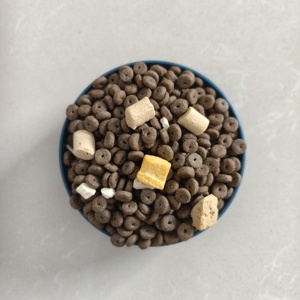

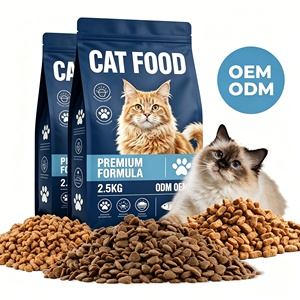
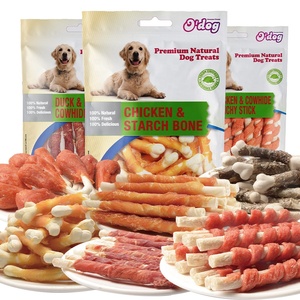
The global pet food industry is undergoing a structural transition. Consumers and commercial procurement teams are moving away from traditional, high-temperature extruded dry kibble toward cold-pressed kibbles that preserve the biological integrity of raw ingredients. As China's leading cold pressed kibble manufacturer and exporter, our facility bridges high-capacity industrial scale with pharmaceutical-grade thermal control.
Traditional thermal extrusion forces raw ingredients through high-shear twin-screw extruders operating at temperatures between 120°C and 160°C under elevated pressure (30–40 bar). While effective for rapid gelatinization of high-starch formulas, this aggressive thermal processing leads to significant Maillard reactions, denaturing fragile proteins, degrading heat-sensitive vitamins (particularly B-complex and C), and oxidizing essential fatty acids such as EPA and DHA.
The Cold-Pressed Engineering Advantage: Our proprietary cold-compression shaping mechanism operates at controlled temperatures strictly between 45°C and 65°C. By substituting high-shear thermal expansion with low-temperature mechanical compression, we maintain the natural peptide structures, enzyme activity, and natural lipid matrix of real fresh meat.
For pet brand owners, retailers, and institutional buyers, switching to low-temperature cold-pressed manufacturing offers measurable product differentiation. The operational table below outlines the performance metrics evaluated across independent laboratory tests:
| Manufacturing Parameter | High-Temp Extrusion | Cold-Pressed Kibble (Our Factory) | Freeze-Dried Raw Kibble |
|---|---|---|---|
| Thermal Exposure Range | 120°C – 160°C (High Heat) | 45°C – 65°C (Gentle Heat) | -40°C to 25°C (Sublimation) |
| Gastric Disintegration Dynamics | Swells & Absorbs Water (Bloat Risk) | Breaks down immediately without swelling | Rapid Rehydration Required |
| Natural Vitamin Retention Rate | 40% – 55% (Requires synthetic fortification) | 88% – 94% (Preserves natural nutrients) | 92% – 96% |
| Fresh Meat Inclusion Limit | Max 30% – 40% slurry | Up to 70%+ Fresh Animal Protein | Up to 90%+ Raw Meat |
| B2B Production Cost & Scalability | Low Cost / High Volume | Optimal Cost / Premium Margin | Extremely High Unit Cost |
A critical technical differentiator of cold-pressed kibble lies in its physical behavior within the animal’s digestive tract. When conventional extruded kibble encounters gastric fluids, the gelatinized starch matrix acts like a sponge, swelling up to 200–300% in volume. This delayed gastric emptying can cause abdominal discomfort, gastric torsion (bloat), and sluggish nutrient assimilation in adult dogs and kittens.
Conversely, cold-pressed kibble is bound via gentle compaction pressure without starch expansion. Upon entering the stomach, it dissolves gently from the outside inward within minutes, dissolving into a fine, highly absorbable chyme. This prevents gastric swelling, optimizes nutrient absorption across the intestinal microvilli, and results in smaller, firmer, less odorous stools—a major selling point for modern urban pet parents.
As an international buyer, procurement director, or brand manager, staying ahead of global market shifts is vital to securing shelf dominance. Based on aggregate trade data and consumer panel analytics, we have identified four core macro-trends driving demand in North American, European, and Asia-Pacific markets:
Consumers are rejecting high-carbohydrate fillers (corn, wheat, soy). Formulations requiring 50% to 70% fresh chicken, duck, beef, or salmon meat input directly into kibble lines are now the baseline for premium tier branding.
Next-gen kibbles are fortified with heat-sensitive functional ingredients such as live probiotics (Enterococcus faecium, Bacillus coagulans), postbiotics, taurine, and hydrolyzed yeast extracts to support gut immunity.
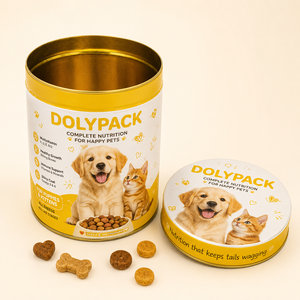
Global supermarket chains demand recyclable mono-material PE/PP barrier bags or aluminum-free recyclable metal tin containers to comply with strict European carbon tax and circular economy mandates.
Institutional buyers require full raw material transparency—DNA testing for single-protein claims, heavy metal screening, pesticide residue testing, and farm-to-bowl supply chain verification.
Navigating cross-border pet food sourcing requires a manufacturing partner with deep scientific expertise, rigorous quality control, and scalable industrial infrastructure. Built upon 25+ years of production experience across multi-site facilities, our factory provides end-to-end turnkey services for brand owners, importers, and major retail chains worldwide.
Operating under BRCGS (Grade AA), IFS Food, ISO 22000, and HACCP standards. Fully registered with US FDA and EU TRACES system for seamless international customs clearance.
From custom kibble shape development (heart, bone, disc) to tailored crude protein levels (28% to 45%+), our in-house animal nutrition PhD team crafts specialized formulas catered to your market.
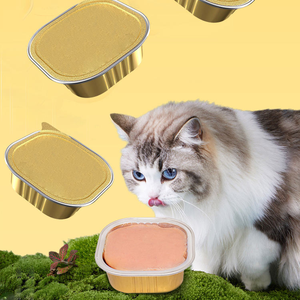
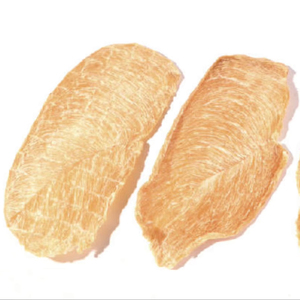
Consolidate your procurement across cold-pressed dry food, canned wet pate/mousse, freeze-dried treats, natural chicken breast strips, and functional pet grooming accessories in unified container shipments.
Corporate Sustainability Commitment (PETS Framework): We actively implement our 4-pillar ESG roadmap: Performance (uncompromising safety), Environment (solar-powered lines & water recycling), Team (ethical workplace safety), and Society (strays rescue support).
Here are detailed answers to key procurement, technical, and regulatory questions asked by international buyers before issuing an RFP or booking a factory audit.
Request our comprehensive product catalog, request free formula samples, or schedule a virtual audit with our technical team today.