

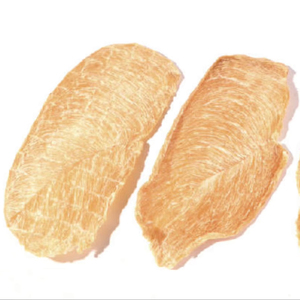
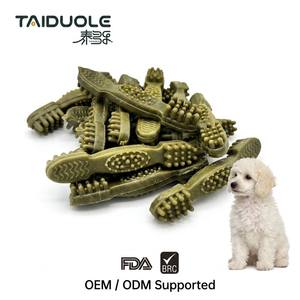
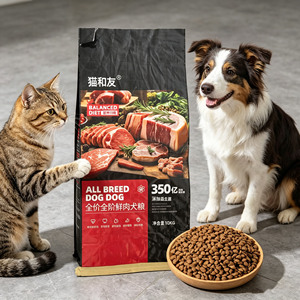
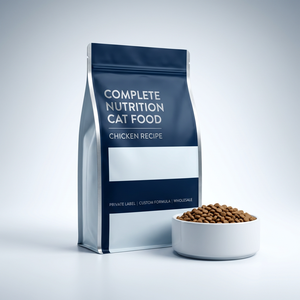
Featured export-ready formulas, functional dry & wet pet foods, dental chews, and liquid snack solutions available for high-volume OEM/ODM customization.
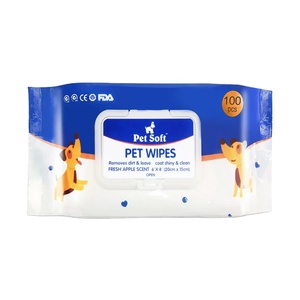
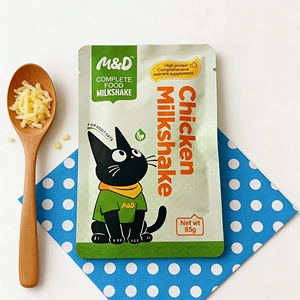
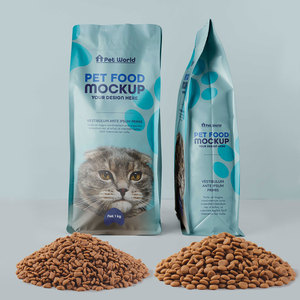
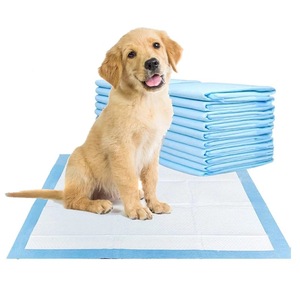
Proprietary thermal shear emulsification guarantees smooth texture, zero phase separation, and optimal moisture dispersion in squeezable tube formats.
Human-grade processing lines operating under strict HACCP guidelines, featuring full physical, chemical, and microbiological batch traceability.
Custom formulation tailored for urinary health, hairball control, weight management, and kitten growth with multi-flavor sachet packaging.
The global pet treat ecosystem is undergoing a dramatic structural pivot. Driven by the humanization of pets and an increased focus on feline preventive health, liquid cat treats—commonly referred to as creamy cat treats, lickable purées, or squeeze-tube snacks—have transitioned from a niche treat segment into an indispensable revenue driver for pet food retailers, brand owners, and supermarket chains worldwide. China's pet manufacturing sector has positioned itself at the epicenter of this surge, deploying advanced thermal processing infrastructure, automated high-speed multi-lane pouch filling systems, and cutting-edge enzymatic hydrolysis to meet global demand for ultra-premium feline nutrition.
As international brand owners look to audit and partner with top Chinese creamy cat treat manufacturers, navigating technical specifications, regulatory export compliance (such as GACC, FDA, BRCGS, and EU registration), raw material sourcing, and viscosity stabilization becomes vital. This comprehensive whitepaper provides B2B procurement officers, private label managers, and pet brand executives with an authoritative, data-driven analysis of China's liquid pet treat manufacturing landscape, formulation innovations, quality control benchmarks, and future supply chain projections.
Information Gain Insight: The global lickable cat treat market is projected to expand at a CAGR of 11.4% through 2030. Squeezable creamy treats account for over 38% of all new cat treat SKUs launched across Asia-Pacific and North America, surpassing traditional freeze-dried and crunchy kibble treats in repurchase frequency due to their interactive feeding appeal and hydration benefits.
Unlike canine nutrition, feline dietary acceptance is notoriously finicky, driven predominantly by olfactory response, mouthfeel (viscosity), amino acid profiles, and specific moisture levels. Top China manufacturers leverage sophisticated R&D methodologies to solve the dual challenge of palatability optimization and physical shelf stability over 18 to 24 months.
Cats are obligate carnivores with highly specific metabolic pathways. Standard whole-meat slurries often fail to deliver the intense flavor concentration required for high palatability. Leading Chinese factories utilize controlled enzymatic hydrolysis. By breaking down high-purity animal proteins (such as deep-sea tuna, wild salmon, and fresh chicken breast) into small-chain peptides and free amino acids—specifically Glutamic acid, Proline, and Glycine—manufacturers create a natural, savory umami profile that stimulates feline taste receptors without relying on artificial flavor enhancers or synthetic attractants.
A primary failure point in low-grade liquid treats is syneresis—the unwanted separation of liquid from the emulsion during storage. High-end OEM manufacturing employs dual-stage micro-fluidization and precise hydrocolloid blending (utilizing food-grade guar gum, xanthan gum, or sodium alginate). This precise rheological control achieves a shear-thinning viscosity profile: the purée remains rich and firm inside the pouch but flows smoothly under gentle squeezing, preventing mess while ensuring an indulgent, velvety mouthfeel for the pet.
| Formulation Parameter | Standard Industry Grade | China Premium OEM/ODM Grade | Nutritional & Operational Benefit |
|---|---|---|---|
| Moisture Content | 88.0% – 92.0% | 84.0% – 88.0% | Higher real meat concentration; optimized nutrient density per stick. |
| Crude Protein (Dry Matter) | ≤ 5.0% | ≥ 7.5% – 10.0% | Superior muscle maintenance support; qualifies for premium labelling. |
| Emulsification Stability | Basic Stir Mixing | High-Pressure Homogenization (>25 MPa) | Zero oil-water phase separation; 24-month uniform shelf stability. |
| Functional Fortification | None / Trace | Taurine, L-Lysine, Prebiotics (FOS/MOS), Cranberry | Targeted wellness (Urinary, Hairball, Immune, Digestibility). |
| Sterilization Method | Basic Thermal Dip | Counter-Pressure Retort Autoclave (121°C) | Complete commercial sterility with zero artificial preservatives. |
Modern Chinese pet food production facilities have evolved far beyond manual assembly and low-cost batch processing. Today’s market leaders operate fully automated, aseptic production environments comparable to human baby food factories. Sourcing managers should evaluate potential supply partners based on three core technical pillars:
Creamy cat treats are high-moisture, low-acid foods, making them vulnerable to microbial growth if under-processed. Premier Chinese manufacturers utilize continuous horizontal retort autoclaves with dynamic pressure control. By calculating the exact thermal destruction value ($F_0 \ge 3.0$), factories ensure complete destruction of Clostridium botulinum spores while preserving sensitive heat-labile vitamins (such as Vitamin A, B-complex, and Taurine) through precise temperature-time integration curves.
Packaging integrity is vital for low-viscosity purée treats. Advanced factories in Shandong, Hebei, and Zhejiang utilize multi-lane vertical form-fill-seal (VFFS) systems equipped with nitrogen flushing and thermal ultrasonic sealing. These systems eliminate micro-leaks, prevent lipid oxidation, and produce consistent sachet tears (notch precision), which are crucial for end-consumer satisfaction.
Modern pet owners demand functional benefits from everyday treats. Top-tier ODM suppliers incorporate micro-encapsulated functional ingredients. For instance, active probiotics (such as Bacillus coagulans) or delicate Omega-3 fatty acids (EPA/DHA from refined fish oil) are shielded from thermal degradation during retort processing, ensuring guaranteed active potencies on product label claims.
When entering into contract manufacturing partnerships with Chinese factories, enterprise buyers must determine the optimal collaborative model based on their market positioning, capital strategy, and speed-to-market priorities:
The buyer provides proprietary recipes, exact ingredient ratios, and detailed packaging dielines. The manufacturer acts strictly as a contract processor, leveraging its raw material sourcing power and high-speed machinery to execute precise batch specifications.
The buyer selects from the factory’s turn-key, market-tested white-label formulations (e.g., Creamy Chicken & Scallop, Salmon & Goat Milk). The manufacturer manages formula stability, regulatory testing, packaging design, and artwork finalization.
A hybrid approach where the buyer collaborates with the factory’s R&D team to develop exclusive functional lines—combining custom textures with target nutraceutical claims (e.g., Calming purées with L-Theanine, Joint Support with Collagen).
As the global pet industry matures, procurement managers must align with emerging technological and consumer shifts to maintain shelf dominance. Leading Chinese manufacturers are investing heavily in four transformational areas:
With food sensitivities on the rise among domestic cats, manufacturers are expanding beyond traditional chicken and tuna bases. Industrial-scale production of creamy treats featuring novel proteins—such as duck, venison, arctic krill, insect protein (black soldier fly larvae meal), and hydrolyzed salmon—allows brands to target sensitive-skin and GI-restricted pet segments.
Environmental governance policies in Europe (EU Packaging and Packaging Waste Regulation) and North America are forcing a shift away from traditional multi-layer aluminum-plastic laminate sachets. Leading Chinese converters and food packagers are pioneering fully recyclable Mono-PP and Mono-PE squeezable tubes that withstand high-temperature retort cooking without delaminating or compromising oxygen barrier properties ($OTR < 0.5 \text{ cm}^3/\text{m}^2\cdot\text{day}$).
Modern pet parents scrutinize ingredient decks. Future market leaders are eliminating synthetic thickeners (such as carrageenan or modified food starches) in favor of clean-label binders like tapioca starch, natural pumpkin purée, or agar-agar, allowing brands to feature "100% Grain-Free," "No Artificial Gums," and "Human-Grade Ingredients" prominently on retail packaging.
R&D teams are developing co-extrusion technology capable of dispensing a creamy functional liquid center inside a crispy kibble shell, or combining dual-flavor purée streams (e.g., Chicken & Goat Milk swirl) within a single transparent window pouch, creating visual impact on retail shelves.
Building a successful private-label pet brand requires more than just buying product—it demands a trusted, strategically aligned manufacturing partner. Combining over 25 years of global pet nutrition mastery with multi-facility industrial redundancy, our processing network offers brand owners unparalleled competitive advantages:
Connect directly with our senior contract manufacturing team to request custom formulation samples, factory audit reports, and competitive wholesale tier pricing.