

Explore our export-ready product series, ranging from high-protein dry kibble to customized functional cat biscuits and barrier-protected packaging options.
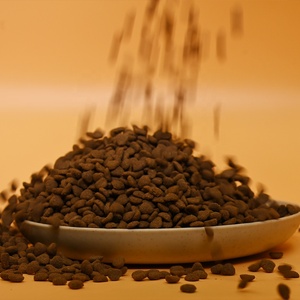
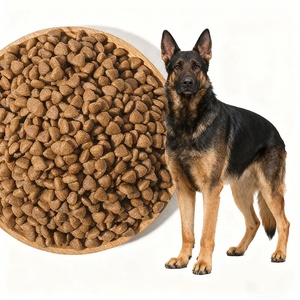
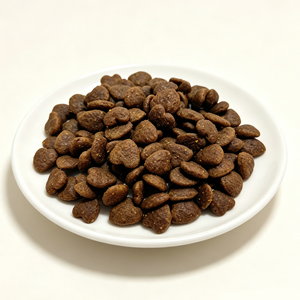
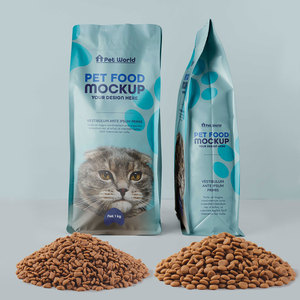
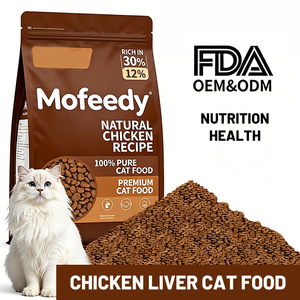
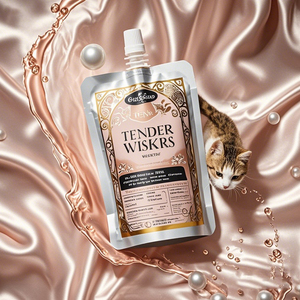
Providing end-to-end OEM/ODM custom solutions backed by European nutritional expertise, multi-site redundancy, and robust quality governance.
Operated by Partner in Pet Food (PPF), our network of 12 modern production plants across Europe guarantees supply chain stability, short freight lead times, and risk mitigation for international retail chains and pet brand owners.
Every batch of dry cat biscuits, high-meat kibble, and functional treats undergoes rigorous laboratory assays. Certified under BRCGS Grade A, IFS, ISO 22000, and fully compliant with FEDIAF and AAFCO nutritional profiles.
From custom kibble geometry and palatant coating systems to fully printed recyclable pouch packaging, we empower brand owners to launch proprietary cat treats tailored to precise market segments.
In the rapidly maturing global pet nutrition sector, cat biscuits and dry functional treats have evolved from simple reward snacks into critical delivery vehicles for preventative healthcare. As obligate carnivores, feline species require specialized dietary architecture characterized by high protein density, controlled amino acid profiles (such as essential taurine and L-carnitine), precise mineral balances, and specific physical texture profiles that promote oral hygiene without compromising digestibility.
Contract manufacturing of feline biscuits typically utilizes two dominant industrial processing paths: twin-screw high-shear extrusion and thermal rotary mold oven-baking. Each method offers distinct structural and sensory advantages:
High-Shear Twin-Screw Extrusion: Enables precise thermal-mechanical starch transformation, expanding the kibble matrix to create controlled porosity. This cellular structure allows for deep vacuum infusion of enzymatic palatants, chicken liver hydrolysates, and fresh animal fats. Extruded cat treats generally achieve water activity levels ($a_w$) below 0.60, effectively inhibiting bacterial growth and mycotoxin formation without synthetic preservatives.
Low-Temperature Slow Oven-Baking: Baking preserves natural flavor profiles and minimizes the degradation of heat-sensitive ingredients such as probiotics, omega-3 fatty acids (EPA/DHA), and botanical extracts. Oven-baked cat biscuits feature a denser texture that delivers a satisfying crunch, promoting mechanical tartar reduction as the cat's teeth penetrate the biscuit matrix.
Feline palatability is a complex sensory phenomenon governed primarily by volatile aroma compound receptors and amino acid taste response. Unlike canines, felines possess no functional sweetness taste receptors (TAS1R2 gene inactivation). Thus, OEM manufacturers must engineer flavor matrices focused on acidic, umami, and animal-derived protein hydrolysates.
| Manufacturing Parameter | Standard Extruded Cat Kibble | OEM Functional Baked Biscuits | Freeze-Dried / High-Meat Treats |
|---|---|---|---|
| Crude Protein Range | 30% – 38% | 38% – 48% | 50% – 70% |
| Water Activity ($a_w$) | 0.55 – 0.62 | 0.45 – 0.55 | 0.20 – 0.35 |
| Dental Abrasion Index | Moderate | High (Mechanical Tartar Removal) | Low |
| Palatability Coating | Vacuum Lipid & Liquid Digest Coating | Slurry In-Dough & Baked Hydrolysates | Raw Freeze-Dried Dusting |
| Minimum Order Quantity (MOQ) | 3.0 Metric Tons | 1.5 Metric Tons | 0.5 Metric Tons |
Emerging scientific innovations and consumer shifts shaping the next generation of private-label cat treats through 2030.
Consumer preference for grain-free, hypoallergenic diets is driving the adoption of novel animal protein sources, including hydrolyzed salmon, duck, venison, and insect meal (Hermetia illucens). Novel proteins minimize food sensitivity reactions while offering high biological value and superior amino acid digestibility.
Modern pet owners demand cat biscuits engineered with specific health benefits. Formulations now integrate active ingredients such as micro-encapsulated probiotics (Enterococcus faecium) for gut microbiome integrity, sodium hexametaphosphate (SHMP) for tartar prevention, hairball reduction fibers (psyllium husk & cellulose), and chondroprotective agents (glucosamine & chondroitin).
Processing technology is transitioning toward lower thermal exposure methods. Thermal degradation of taurine, B-vitamins, and antioxidants is drastically reduced by adopting cold-press compaction or multi-stage continuous oven drying below 95°C, ensuring optimal nutrient bioavailability without synthetic fortification overkill.
Aligned with European Union packaging regulations (EU PPWR), brand owners are shifting away from traditional non-recyclable aluminum multi-layer laminates. Modern OEM packaging focuses on high-barrier mono-material PE/PE or PP/PP stand-up pouches and recyclable spout pouches that provide equal oxygen and moisture barrier protection while maintaining fully circular recyclability.
Navigating global market dynamics, ingredient availability, and cost optimization for pet food importers and distributors.
Global pet food buyers face unprecedented supply chain fluctuations driven by ingredient cost shifts, freight volatility, and stricter import tariffs. Securing long-term procurement stability requires partnering with established contract manufacturers that maintain direct, traceable supply agreements for premium rendered meat meals, fresh meat slurries, and specialized botanical supplements.
1. Dual-Sourcing & Multi-Factory Redundancy: Tier-1 pet retailers are increasingly avoiding single-site reliance. Partnering with enterprise groups operating multiple regional factories (such as PPF's 12 European plants) guarantees production continuity even during localized supply disruptions or regional regulatory changes.
2. Flexible Minimum Order Quantities (MOQs) & Co-Packing Efficiency: To optimize working capital and minimize inventory holding risk, global procurement teams are adopting agile co-packing models. Flexible factory batching allows brand owners to pilot innovative functional treat SKUs in smaller quantities (1.5 to 3 Metric Tons) before expanding to full container-load (FCL) automation runs.
3. Transparency & Digital Compliance Management: Modern export contracts require full traceability down to the farm level. Leading OEM suppliers provide comprehensive digital compliance portfolios—including Certificate of Analysis (COA) per batch, heavy metal screening reports, pesticide residue assays, and veterinarian health clearance certificates for rapid customs clearance across EU, US, and Asian ports.
Essential procurement details covering contract manufacturing, quality testing, custom formulations, and international shipping logistics.
Our standard Minimum Order Quantity (MOQ) for custom private-label dry cat treats and extruded biscuits typically starts at 1.5 to 3.0 Metric Tons per formulation SKU. For standard catalog formulations using stock barrier packaging, lower MOQs can be negotiated to facilitate trial market launches.
Yes. Our dedicated R&D team and veterinary nutritionists collaborate directly with client procurement teams to develop exclusive custom formulations. We can integrate specialized functional ingredients including specific protein levels, grain-free carbohydrate bases, dental care additives, skin & coat omega complexes, or prebiotic gut support systems.
All production operations adhere to strict European manufacturing guidelines and carry prestigious international certifications, including BRCGS (Grade A/A+), IFS (Higher Level), ISO 22000, ISO 9001, and full compliance with FEDIAF standards. Our sites are regularly audited by global retail partners and government veterinary authorities.
Palatability is verified through controlled two-bowl sensory trials conducted with feline test panels. For shelf stability, we strictly control water activity ($a_w \le 0.55$) and utilize natural antioxidant systems (mixed tocopherols and rosemary extract) to prevent lipid oxidation, guaranteeing an 18 to 24-month stable shelf life under proper storage conditions.
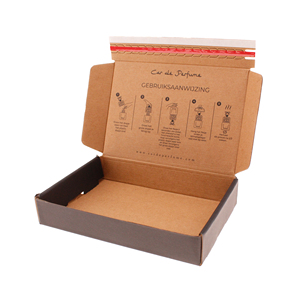
We provide comprehensive packaging co-packing solutions including foil-lined stand-up pouches (Doypack) with zipper closures, rigid corrugated tear-strip mailer boxes, quad-seal gusset bags, and high-barrier silvery spout pouches. All options support full-color gravure or flexographic printing with matte, gloss, or gold-stamping finishes.
Every export shipment is accompanied by a full export documentation dossier, including Official Veterinary Health Certificates issued by state authorities, Certificate of Origin (COO), Commercial Invoice, Packing List, Batch Certificate of Analysis (COA), Free Sale Certificate, and ingredient GMO-free declarations.
For established repeat formulations with approved packaging artwork, standard manufacturing lead time is 3 to 4 weeks upon order confirmation. Initial custom product development (recipe formulation, palatability testing, and packaging cylinder printing) generally requires 6 to 8 weeks from initial brief to final production dispatch.