

High-protein, functional, and specialized pet food products manufactured under strict quality standards for international brand owners and retail chains.
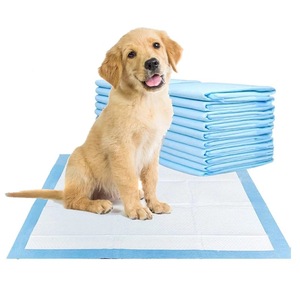
Multi-layer polymer absorbent core with leak-proof backing. Engineered for clinical, home, and post-surgery veterinary care protocols.
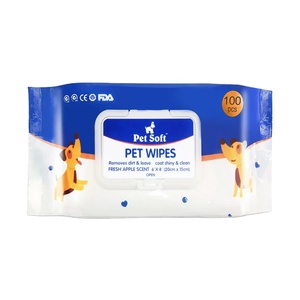
Hypoallergenic, alcohol-free formulation infused with aloe vera and chamomile extract for ocular, auricular, and coat hygiene.
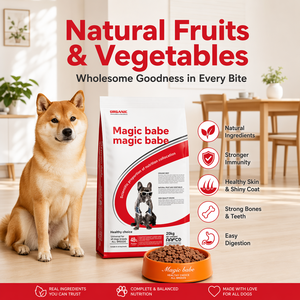
Ultra-premium extrusion diet featuring 48% fresh animal protein. Low-GI carbohydrates deliver balanced energy for working and active dogs.
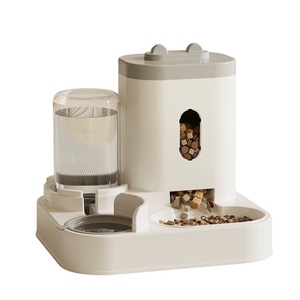
Gravity-driven dual feeder system using food-grade PP plastic. Provides continuous hydration and dry kibble rationing without power.
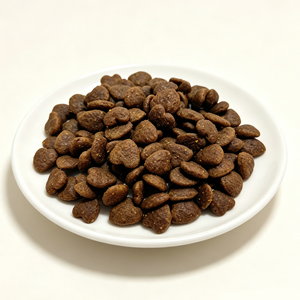
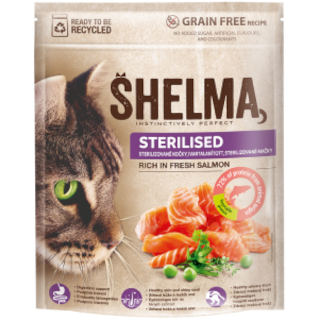
Strictly carnivorous feline nutritional profile rich in Taurine, Omega-3 fatty acids, and urinary tract pH-balancing minerals.
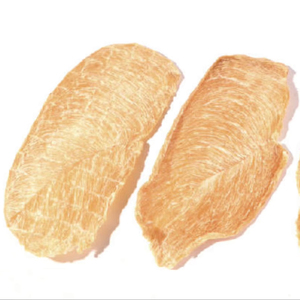
Single-ingredient dehydrated chicken fillet strips. Free from synthetic additives, heavy glycerin, or artificial colorants.
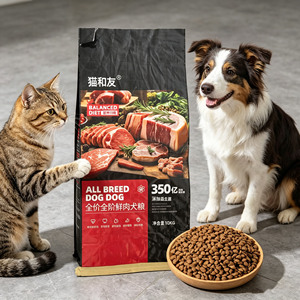
Flexible crude protein tiered options (18% to 35%) designed for high-volume supermarket shelf positioning and commercial dog kennels.
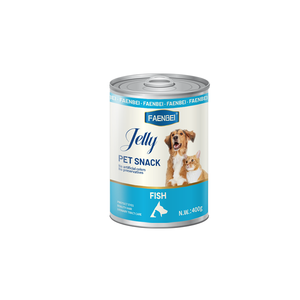
Steam-sterilized tinplate wet food in savory gravy or jelly matrix. Highly palatable multi-protein blends for demanding feline diets.
Partner in Pet Food (PPF) stands as a benchmark in European pet food production. With over 25 years of dedicated industrial research, our operational footprint encompasses 12 state-of-the-art factories optimized for high-capacity extrusion, thermal retort canning, pouch filling, and specialized snack creation.
We empower international retailers, veterinary distributors, and brand owners by taking their private label pet food projects from initial micro-nutrient formulation to commercial shelf readiness. Headquartered in Budapest, Hungary, our multi-site strategy ensures uninterrupted supply chain security, localized raw ingredient sourcing, and swift route-to-market execution across global territories.
From therapeutic veterinary feeds to budget-conscious mainstream dry kibble, our production infrastructure delivers uncompromising quality and high ROI scalability.
In-house veterinary nutritionists engineer diets designed for gastrointestinal recovery, renal support, weight management, dermatological hypersensitivity, and joint mobility.
Our thermal twin-screw extruders allow up to 48-70% real fresh meat inclusion without damaging essential proteins, preserving natural palatability and digestible amino acid structures.
From 85g sterile retort pouches and 400g easy-open tin cans to 20kg multi-layer nitrogen-flushed foil bags, we accommodate diverse international retail formats.
Every raw material batch undergoes Near-Infrared Spectrometry (NIR) testing for mycotoxins, heavy metals, pathogenous bacteria (Salmonella/E. coli), and protein balance.
Operating under our ESG framework—Performance, Environment, Team, and Society—we utilize 100% recyclable mono-PE packaging and energy-efficient processing.
Our dedicated regulatory division oversees veterinary health certificates, EU export dossiers, GACC registration for China, and FDA compliance documentation for North America.
The global pet food sector is undergoing a structural paradigm shift. What was once a market dominated by basic nutritional satiation has transformed into an advanced biomedical ecosystem focused on longevity, preventive health, and micro-nutrient bioavailability. Retail brand owners, hospital chains, and global importers face shifting regulatory landscapes and evolving consumer demands.
Hypoallergenic and single-source novel protein diets (such as turkey, lamb, or hydrolyzed whitefish) are expanding at an unprecedented rate. Adverse Food Reactions (AFR) in canines and felines account for over 20% of veterinary consultations worldwide. As a response, our OEM/ODM processing plants have integrated strict flush-cleaned, segregated lines to prevent cross-contamination of protein antigens. By eliminating common allergens such as soy, wheat, and mixed poultry by-products, private label brand owners can position themselves authoritatively within the clinical recommendations spectrum.
To maximize biological value (BV) and protein efficiency ratios (PER), modern pet food processing requires careful heat management. Traditional high-heat extrusion degrades sensitive thermolabile vitamins and essential omega fatty acids. Our facilities utilize gentle, step-wise pre-conditioning followed by low-temperature extrusion combined with dynamic Vacuum Coating Technology. Digestibility oils and probiotic micro-capsules are infused into the kibble core under negative pressure, ensuring zero lipid oxidation while boosting palatability score without artificial enhancers.
| Technical Parameter | Standard Commercial Dry Food | Advanced OEM/ODM Veterinary Diet | Impact on Animal Health |
|---|---|---|---|
| Fresh Meat Inclusion | 10% - 15% Rendered Meal | 30% - 48% Direct Fresh Cut Meat | Enhanced amino acid bioavailability and gut transit efficiency. |
| Lipid Application | Surface Spray Coating | Negative Pressure Vacuum Coated Core | Eliminates oily residue; prevents lipid rancidity. |
| Carbohydrate Matrix | High-GI Wheat / Yellow Corn | Low-GI Pea Starch, Sweet Potato, Pumpkin | Prevents glycemic spikes; manages diabetic and feline obesity risk. |
| Preservation Method | Synthetic BHA / BHT | Natural Tocopherols & Rosemary Extract | Clean-label compliance; zero toxic chemical accumulation. |
| Ash Content Control | > 9.5% High Bone Meal | < 6.5% Purified Protein Concentrate | Reduces renal strain and feline lower urinary tract disease (FLUTD). |
Modern pet food sourcing is heavily dictated by ESG metrics. Retail buyers must ensure that their OEM manufacturing partners minimize carbon footprint per unit produced. Operating out of 12 strategic European locations allows Partner in Pet Food to source 90%+ of agricultural raw ingredients within a 250-kilometer radius of our processing hubs. This short supply line reduces transport emissions while granting full batch-level traceability from farm to feeding bowl.
Essential technical, regulatory, and logistics details procurement officers evaluate prior to contracting custom pet food production.
Minimum Order Quantities depend on the formulation complexity and packaging format. Standard dry kibble runs typically require an MOQ of 5 to 10 metric tons per formulation batch. Wet food production (cans or pouches) requires approximately 10,000 to 20,000 units per shift to ensure thermal retort sterilization process efficiency and cost-effective raw material procurement.
Yes. Our senior veterinary nutritional team can analyze target benchmarks, establish identical or upgraded nutrient profiles (matching protein, fat, fiber, calcium-to-phosphorus ratios, and metabolizable energy values), and adapt formulations to ensure compliance with FEDIAF and AAFCO guidelines without infringing on third-party patents.
We supply full official EU Official Veterinary Export Certificates, Health Certificates issued by national food safety authorities (e.g., NÉBIH in Hungary), Certificates of Free Sale, Phytosanitary Certificates for plant-based ingredients, and detailed Certificates of Analysis (COA) verifying micro-biological safety for every shipped container.
For new custom packaging developments, the total timeline ranges between 6 to 10 weeks, incorporating cylinder printing, film extrusion, trial batch testing, and lab assay validation. For repeat orders utilizing existing approved flexible packaging matrices, standard lead time is 2 to 4 weeks.
Palatability testing is conducted via standard 2-bowl preference trials in accredited independent testing kennels. Fresh meat slurries are pre-conditioned at exact enzymatic hydrolysis points, ensuring high pepsin digestibility values (>90%) while vacuum-assisted digestion lipid coatings ensure high palatability across diverse canine and feline breeds.
We provide 100% recyclable mono-polyethylene (Mono-PE) pouches, biodegradable paper-poly compound bags, and aluminum/tinplate cans with easy-open lids. All our packaging substrates maintain high moisture and oxygen barrier properties to ensure a minimum 18 to 24-month product shelf life without synthetic preservatives.