

Direct factory procurement solutions engineered for global retailers, brand owners, and high-volume distributors.
An executive report on manufacturing infrastructure, quality assurance frameworks, and emerging consumer demand trends driving the global $150B+ pet sector.
Modern pet food procurement demands supply security. Operating across 12 automated production sites ensures seamless risk mitigation, geographic proximity to core shipping routes, and uninterrupted fulfillment during global logistics disruptions.
From low-temperature slow-baking kibble technologies that preserve sensitive bioactive micronutrients to veterinary-formulated soft chew nutraceuticals, top-tier exporters lead through scientific formulation and ingredient traceability.
Leading European contract manufacturers are pivoting toward 100% recyclable mono-materials, zero-landfill processing, and biodegradable hygienic solutions like compostable PLA training pads to meet stringent eco-regulations.
The global pet care market has transitioned from basic utility products to sophisticated premiumization, functional wellness, and human-grade quality standards. When international procurement teams evaluate Wholesale Pet Care Manufacturers & Exporters, critical criteria extend far beyond wholesale unit price. Technical capability, international accreditation (IFS Food v8, BRCGS Grade AA, ISO 22000, FEDIAF, and FDA registrations), recipe customization elasticity, and packaging sustainability now define long-term contract viability.
Leading enterprise groups such as Partner in Pet Food (PPF)—headquartered in Budapest, Hungary—exemplify the modern industrial scale required to serve multi-national supermarket chains, specialized pet retail conglomerates, and fast-growing direct-to-consumer (DTC) brands. With over 25 years of manufacturing excellence, PPF operates 12 specialized manufacturing facilities across Europe, providing complete category coverage spanning premium dry kibble, pouch and canned wet pet food, functional treats, and private-label brand incubation for more than 400 clients across 35 countries.
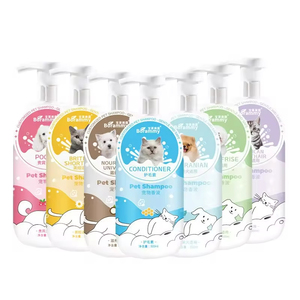
Alongside dietary nutrition, the non-food pet supplies sector—comprising hygienic absorbents, smart grooming electronics, and botanical bath care—has seen massive technological convergence. Contract manufacturing in grooming accessories now mirrors human cosmetic standards, incorporating micro-encapsulated active botanicals, pH 6.5–7.5 dermatological balancing for animal skin layers, and ergonomic structural engineering.
| Product Category | Manufacturing Technology | Quality & Safety Accreditations | Private Label Customization Degree | Primary Global Export Markets |
|---|---|---|---|---|
| Low-Temp Baked Pet Food | 90°C Slow Air-Baking, High Fresh Meat Retention | IFS Food v8, BRCGS, FEDIAF Compliant | Full Custom Formulations (Kibble Shape, Protein Level) | European Union, North America, East Asia |
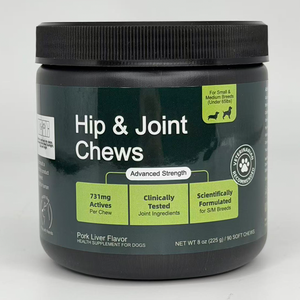
| Nutraceutical Soft Chews | Cold-Extrusion Processing (Protects Active Enzymes) | GMP Certified, FDA Registered Facility | Custom Active Dosing (Glucosamine, Probiotics) | United States, United Kingdom, Australia |
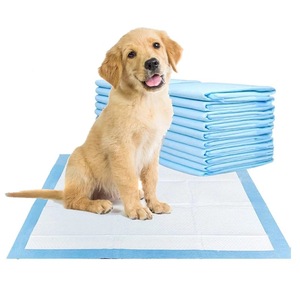
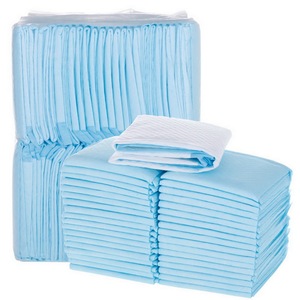
| Hygienic Training Pads | 5-Layer Thermal Bonding, SAP Polymer Core | ISO 9001, CE, Biodegradable PLA Backing | Absorbency Rate, Sheet Dimensions, Odor Control | Global Wholesale & Retail Chains |
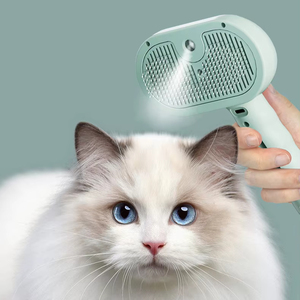
| Smart Grooming Hardware | Ultrasonic Nano-Mist Spray, Ergonomic ABS Molding | CE, RoHS, FCC, REACH Certified | Custom Colorways, Tooling, Retail Packaging | Worldwide E-Commerce & Retail Outlets |
| Botanical Pet Hygiene | Controlled pH Formulation, Sulfate-Free Mixing | ISO 22716 (Cosmetic GMP), EcoCert Ingredients | Bespoke Scents, Organic Extracts, Bottle Molds | Global Premium Pet Specialty Stores |
B2B buyers and brand procurement directors must align their supply chain sourcing strategies with emerging consumer shifts. Search intent mining and semantic market data highlight five key pillars redefining product specifications over the next decade:
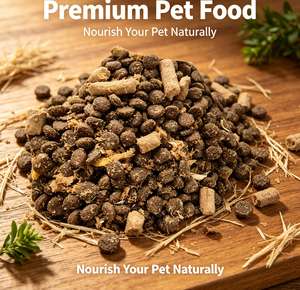
Traditional high-pressure extrusion often degrades delicate vitamins and proteins. Low-temperature baked pet foods preserve natural flavor palatability and structural digestability, allowing brands to claim "human-grade processing" with higher fresh meat inclusion ratios (up to 80%).
Pet owners are actively managing joint health, gut microbiomes, and cognitive longevity. Demand is surging for soft chews and supplements engineered with clinically validated dosage levels of Glucosamine, Chondroitin Sulfate, MSM, and micro-encapsulated strain-specific probiotics.
Disposal pet pee pads are undergoing a green revolution. Municipal plastic bans and conscious consumerism are accelerating wholesale orders for training pads manufactured with compostable PLA back-sheets, bamboo fibers, and plastic-free leakproof barriers.
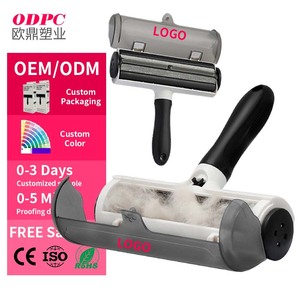
Manual pet brushes are rapidly being replaced by multi-functional smart accessories. 3-in-1 steam grooming combs combine gentle misting to neutralize static electricity, electrostatic fur extraction, and skin massage, driving high conversion rates across omnichannel retail platforms.
Modern pet shampoos and conditioners are formulated with rigorous attention to epidermal physiology. Maintaining a strict skin pH baseline of 6.5–7.5 prevents moisture loss and barrier breakdown, using hypoallergenic botanicals free from harsh sulfates, parabens, and synthetic dyes.
Global supply chain volatility has made single-plant sourcing a major risk. Enterprise buyers prefer working with consolidated manufacturing partners who manage distributed production sites (such as PPF's 12-factory network across Western and Central Europe) for guaranteed regional fulfillment.
Launching a successful contract manufacturing project requires a systematic quality assurance and product development pipeline. Enterprise procurement directors following E-E-A-T (Experience, Expertise, Authoritativeness, and Trustworthiness) principles utilize a standardized four-phase onboarding protocol:
In this phase, technical teams analyze regional market requirements, target price points, and functional claims. For dietary SKUs, nutritionists balance macro-nutrient profiles (protein, crude fat, fiber, moisture) in compliance with European FEDIAF or American AAFCO nutritional guidelines. For grooming and accessories, tooling specs, polymer densities, and dermatological assays are finalized.
Before full-scale commercial manufacturing, prototype batches undergo rigorous testing. Nutritional foods are analyzed via NIR spectroscopy, palatability trials, and accelerated shelf-life testing. Non-food items undergo structural durability, thermal resistance, and SAP polymer absorption rate testing (>800ml fluid retention testing under pressure).
Packaging line integration requires careful material selection. Options range from recyclable mono-PE barrier pouches for dry food to automated fill-and-seal cans, squeeze tubes, and eco-friendly printed cartons. Exporters ensure all labeling adheres to destination country trade regulations, including language localization, guaranteed analysis tables, and barcode integration.
Full-scale production takes place in certified cleanroom environments. Automated inline check-weighers, metal detectors, and X-ray inspection machines prevent contamination. Shipments are consolidated onto heat-treated ISPM 15 pallets, backed by complete Certificates of Analysis (COA) and phytosanitary certificates for seamless customs clearance worldwide.
Forward-thinking exporters build operational frameworks around structured ESG parameters. Exemplified by European leaders, the PETS Strategy focuses on four measurable outcomes:
Essential operational and technical answers for global buyers, brand managers, and import logistics specialists.
Connect directly with our international contract manufacturing and wholesale export team. Request custom product specifications, private label catalogs, and factory-direct price quotes today.
Get a Quote