🔬 Industry Technical White Paper
The Science of Twin-Screw Extrusion in Feline Nutrition
Extruded cat food production sits at the intersection of complex thermal fluid dynamics, mechanical shear chemistry, and obligate carnivore nutritional physiology. Unlike canine diets, feline extruded kibble demands strict micro-nutritional preservation under high thermal stress, alongside stringent lipid injection controls to meet the high metabolic energy requirements of cats.
"Information Gain Insight: True digestibility in feline extruded kibble depends not merely on total crude protein percentages, but on achieving over 92% starch gelatinization while keeping thermal lysine damage (Maillard reaction degradation) below 4.5% during high-pressure barrel transit."
1. Thermal Gelatinization and Specific Mechanical Energy (SME) Control
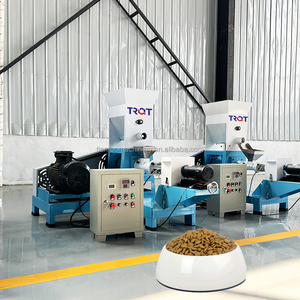
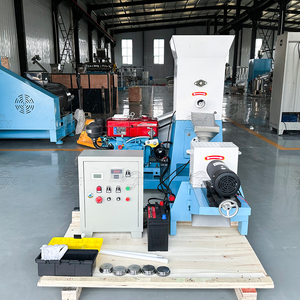
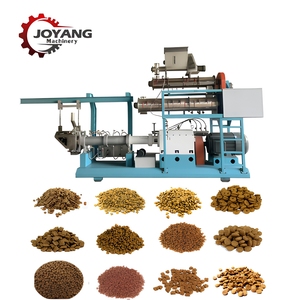
During the twin-screw extrusion process, precise calibration of Specific Mechanical Energy (SME) is paramount. Raw ingredient slurries—composed of animal protein meals, refined animal fats, and functional carbohydrates like tapioca starch or rice flour—enter the barrel where intermeshing co-rotating screws exert intense hydraulic shear.
By controlling moisture injection levels (typically between 22% and 28%) and barrel temperature zones (ranging from 110°C to 140°C), our advanced extrusion lines achieve complete starch granule swelling and gelatinization. This structural conversion breaks down complex amylose and amylopectin matrices into readily bioavailable carbohydrates, ensuring feline digestive enzymes (such as pancreatic amylase) can digest the kibble without triggering osmotic diarrhea or gastrointestinal fermentative distress.
2. Vacuum Fat Enrobing & Palatability Layering
Cats are notoriously sensitive to kibble surface texture, volatile aromatic compounds, and oxidation levels. Traditional single-screw external spray enrobing often results in surface-only lipid adherence, leading to rapid fat oxidation, rancidity in warm climates, and greasy kibbles that cause dusting in retail bags.
- Differential Vacuum Coating: Liquid animal digests, poultry fat, and marine omega oils are pulled deep into the porous structural micro-cavities of the kibble under negative atmospheric pressure (-0.85 bar).
- Protection Against Oxidation: Deep lipid core penetration shields fragile unsaturated fatty acids (EPA/DHA) from oxygen exposure, extending ambient shelf stability.
- Targeted Palatant Application: Natural hydrolyzed liver powders and specific amino acid complexes (including L-cysteine and glycine) are applied in a secondary thermal stage to maximize biological palatability response.
🇧🇷 Brazil Market Intelligence
Extruded Cat Food Landscape in Brazil: Trends, Climate & Regulations
Brazil represents one of the largest and most dynamic pet food markets globally. Driven by rapid urbanization in metropolitan centers like São Paulo, Rio de Janeiro, and Belo Horizonte, Brazilian pet owners ("tutors") are increasingly adopting indoor cats, accelerating the shift toward premium and super-premium dry extruded formulas.
📜
MAPA Regulatory Alignment
Navigating Brazil's Ministério da Agricultura e Pecuária (MAPA) standards requires meticulous ingredient registration, strict micro-biological screening for Salmonella spp. and mycotoxins, and compliant bilingual labeling under Decree 6.296/2007.
☀️
Tropical Humidity Defense
Brazil's diverse climatic zones—ranging from tropical humid conditions in the North/Northeast to subtropical coastal humidity—require kibble formulations engineered with low Water Activity ($a_w < 0.60$) to prevent mold spore germination.
🌱
Local Ingredient Synergies
Utilizing high-grade Brazilian agricultural fractions—such as refined cassava starch (tapioca) as a low-glycemic binder and rendered poultry byproduct meals—allows cost-effective yet premium-tier OEM product positioning.
Strategic Formulation for Feline Urban Indoor Living in Brazil
Modern Brazilian apartment living has elevated demand for targeted indoor cat nutrition. Our extruded private label formulas incorporate natural Yucca Schidigera extracts and insoluble fiber complexes to significantly reduce litter box fecal odors and aid in natural hairball passage—two primary purchasing drivers for Brazilian urban consumers.
Furthermore, given the high prevalence of feline lower urinary tract disease (FLUTD) in hot climates where voluntary water intake may fluctuate, our formulas maintain precise dietary cation-anion balance (DCAB) to achieve target urine pH levels between 6.2 and 6.5, inhibiting struvite and calcium oxalate crystal formation.
Ready to Expand Your Pet Food Portfolio in Brazil & Global Markets?
Connect with our senior technical engineering and formulation team today. Receive custom product quotations, request sample batches, or review our MAPA-ready import dossiers.
Send an Inquiry