

Customizable OEM/ODM Extruded Dog Kibble, Hypoallergenic Formulas, and Wet Pet Diets Engineered for North American Retail Compliance.
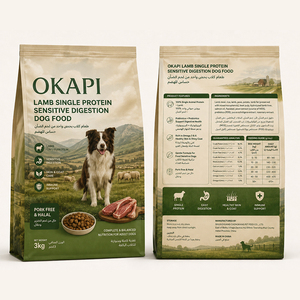
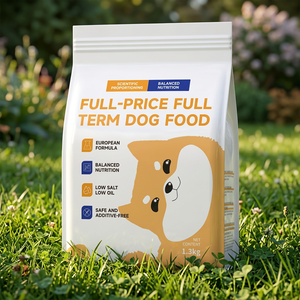
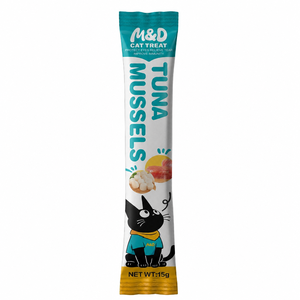
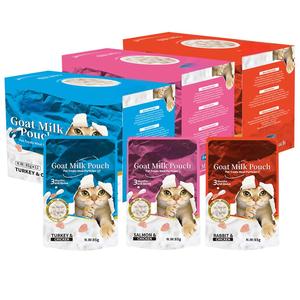
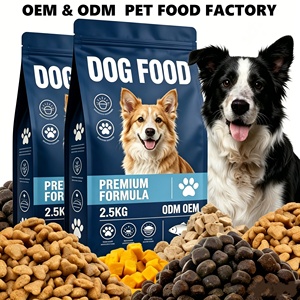
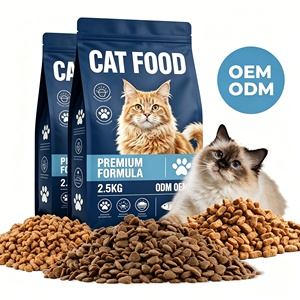
The Canadian pet care sector is undergoing a structural transition toward functional, high-meat, and single-source protein diets. For B2B importers, brand owners, and major retail chains across provinces such as Ontario, British Columbia, and Quebec, securing a stable supply of high-grade dry extruded kibble requires an acute understanding of thermal processing technology. Modern Chinese extrusion facilities utilize advanced continuous twin-screw extruders featuring differential diameter preconditioners (DDC), capable of incorporating up to 60-70% fresh meat slurries directly into the pre-extrusion matrix without compromising kibble integrity.
Unlike traditional single-screw extruders that rely heavily on refined starches to achieve puffing and structural binding, advanced twin-screw extrusion manages exact thermomechanical shear stress. This process preserves the biological availability of heat-sensitive amino acids—such as lysine, methionine, and taurine—while achieving starch gelatinization rates exceeding 92%. High starch gelatinization ensures optimal enzymatic breakdown in the canine gastrointestinal tract, drastically reducing gastrointestinal distress and improving nutrient absorption coefficients under cold environmental conditions.
Post-extrusion vacuum coater systems force essential omega-3 and omega-6 fatty acids deep into the kibble core. This prevents surface oxidation, enhances palatability without artificial sprays, and preserves shelf life during maritime transport.
Automated thermal monitoring zones ensure precise control over moisture evaporation and temperature profiles (typically kept under 115°C in sensitive expansion zones), avoiding toxic acrylamide formation and preserving protein structure.
Canada’s distinct geographic and climatic realities demand customized pet nutrition. Formulations designed for temperate zones often fall short of meeting the physiological energy expenditure of active dogs navigating Canadian winters. Sourcing partners must understand local canine demographics, seasonal metabolism variations, and regional retail standards.
In regions experiencing extended sub-zero temperatures, working and outdoor breeds (such as Retrievers, Huskies, and Shepherds) exhibit a 15% to 25% increase in basal metabolic rate (BMR) to maintain core thermal equilibrium. Extruded diets targeted at the Canadian market must incorporate elevated crude fat levels (18% to 22%) sourced from highly digestible lipids (duck fat, salmon oil, refined chicken fat) combined with low-glycemic complex carbohydrates like sweet potato and green lentils. This provides sustained energy release while keeping blood glucose levels stable.
Canadian pet owners heavily prioritize outdoor activities—from trail running to winter trekking. Consequently, private label formulas tailored for this market integrate bioavailable chondroprotective agents during post-extrusion fluid bed drying. Adding glucosamine hydrochloride, chondroitin sulfate, and green-lipped mussel powder directly supports articular cartilage resilience, reducing joint friction caused by strenuous exercise on frozen terrain.
Urban pet populations in cities like Toronto, Vancouver, and Montreal face high rates of cutaneous allergies triggered by dry indoor heating systems during winter, as well as seasonal environmental pollens. OEM formulations incorporating novel proteins (such as farm-raised duck, deep-sea cod, or hydrolyzed soy protein) free from common allergens (wheat gluten, corn, dairy) serve as essential SKUs for high-margin boutique pet stores and veterinary retail channels.
Exporting extruded dog food into Canada requires strict adherence to federal oversight governed by the Canadian Food Inspection Agency (CFIA) under the authority of the Health of Animals Act and Regulations and the Safe Food for Canadians Act (SFCA). China-based manufacturing partners must possess comprehensive, traceable quality assurance frameworks validated by third-party audit bodies.
All animal-derived ingredients (poultry, beef, marine oils) must originate from CFIA-approved regions and certified slaughterhouses subject to rigorous ante-mortem and post-mortem veterinary inspections, ensuring complete freedom from avian influenza and African swine fever risks.
Packaging must feature compliant bilingual text (English and French equal prominence), displaying guaranteed nutrient analysis according to AAFCO (Association of American Feed Control Officials) profiles, net weight in metric units, clear batch coding, and country-of-origin declarations.
Every commercial export batch undergoes mandatory high-sensitivity testing for Salmonella, E. coli, heavy metals (lead, cadmium, mercury, arsenic), and mycotoxins (aflatoxin B1, vomitoxin) prior to container seal release at port of loading.
Full backward-and-forward batch traceability ensures that every ingredient can be tracked from raw receiving silos to final retail palletized shipment within a 2-hour audit window.
Leverage our 25+ years of European and Asian manufacturing expertise, multi-factory supply security, and dedicated CFIA regulatory support.
Inquire NowKey operational and technical questions addressed by our international supply chain and R&D divisions:
Our standard manufacturing MOQs for customized private-label dry kibble start at 3 metric tons per specific formula SKU. For existing baseline formulas with custom packaging film overprinting, MOQs can be negotiated based on bag size packaging runs (e.g., 2kg, 10kg, or 15kg barrier bags).
We work directly with certified testing laboratories and supply official Health Certificates issued by the General Administration of Customs of China (GACC), matching CFIA import permit requirements item-by-item. Complete analytical testing dossiers (CoA) accompany every container bill of lading.
Yes. Our staff nutritionists formulate kibble to meet or exceed AAFCO Dog Food Nutrient Profiles for All Life Stages, Growth/Reproduction, or Adult Maintenance. We utilize micro-ingredient dosing systems to ensure precise inclusion of minerals, vitamins, and functional additives.
We offer multi-layer foil barrier bags (PE/ALU/PET), high-barrier recyclable mono-material structures, and quad-seal flat-bottom pouches equipped with one-way degassing valves and nitrogen-flushing technology. This maintains residual oxygen levels below 2%, preventing lipid rancidity over an 18-to-24-month shelf life.
Initial orders requiring custom packaging film creation take approximately 30 to 45 days for plate engraving, packaging printing, extrusion, and laboratory clearance. Repeat orders are fulfilled within 15 to 20 days. Maritime transit times to West Coast ports (Vancouver/Prince Rupert) average 14-18 days, while East Coast routing (Montreal/Toronto via rail bridge) takes 25-30 days.
As a global leader in pet care manufacturing operating across 12 state-of-the-art production sites, our enterprise ecosystem brings unmatched scale, scientific rigor, and supply continuity to Canadian buyers. By combining deep nutritional R&D with multi-site industrial flexibility, we empower retailers to scale high-margin OEM/ODM programs efficiently.
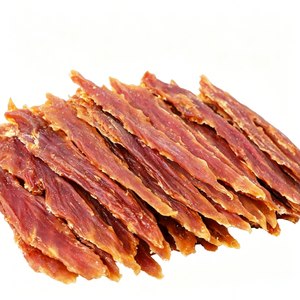
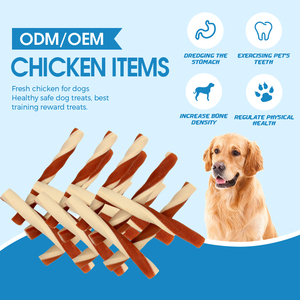
Consolidate your supply chain by sourcing premium extruded kibble, wet pouch canned diets, and natural meat snacks from a single audited partner, reducing administrative friction and freight complexity.
Our dedicated team of veterinary nutritionists and food scientists works closely with your brand managers to create unique, IP-protected formulations tailored to market trends, price tiers, and specific dietary claims.
Built upon our core pillars—Performance, Environment, Team, and Society—our facilities implement energy-efficient extrusion dryers, waste heat recovery, and sustainable ingredient sourcing initiatives.
Certified under ISO 22000, HACCP, BRCGS, FDA, and Halal standards, our production lines operate under pharmaceutical-grade sanitation protocols with real-time NIR (Near-Infrared) inline nutrient monitoring.